Achieving a Big Milestone
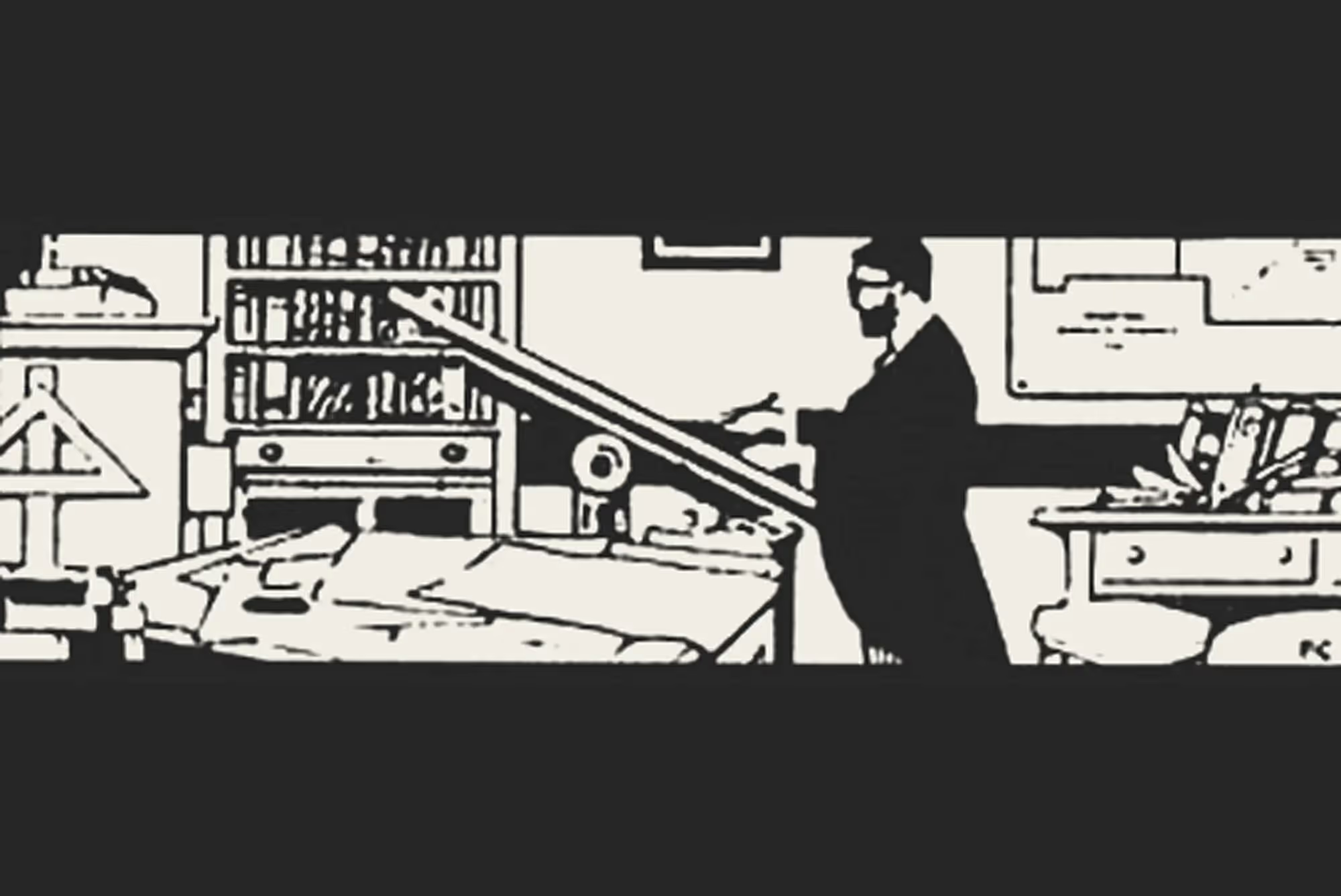
Stephen Levrant - already known for his sharp understanding of the built form - took on an architectural practice founded in 1948 and reshaped it into what became Stephen Levrant Heritage Architecture Ltd. Over twenty-five years later, the ethos remains the same: to study, understand and enrich the historic environment with precision, honesty and care.
From modest vernacular cottages to complex civic landmarks, research and technical understanding always inform the practice's work. Every project begins with the same guiding questions - what makes this building significant, and how can that be sustained? The answer lies in the balance between academic rigour and architectural intuition, ensuring each structure is repaired or adapted with purpose and respect.
Stephen's early career in the Ministry of Works and the Directorate of Ancient Monuments shaped that philosophy. His work on the Government estate in the 1970s led to the creation of the Conservation Unit and the first system of Quadrennial Inspections — the forerunner of today's Conservation Management Plan. It set a benchmark for structured, evidence-based care of historic buildings, principles that underpin the practice's work to this day.
A pivotal moment came with the restoration of Camden Lock's Stables Market, where Levrant's approach to conservation — enhancing rather than freezing the past — took shape. The scheme wove new structures through 19th-century industrial buildings, allowing the market to thrive while preserving its character. It became a touchstone for adaptive reuse long before the term was fashionable.
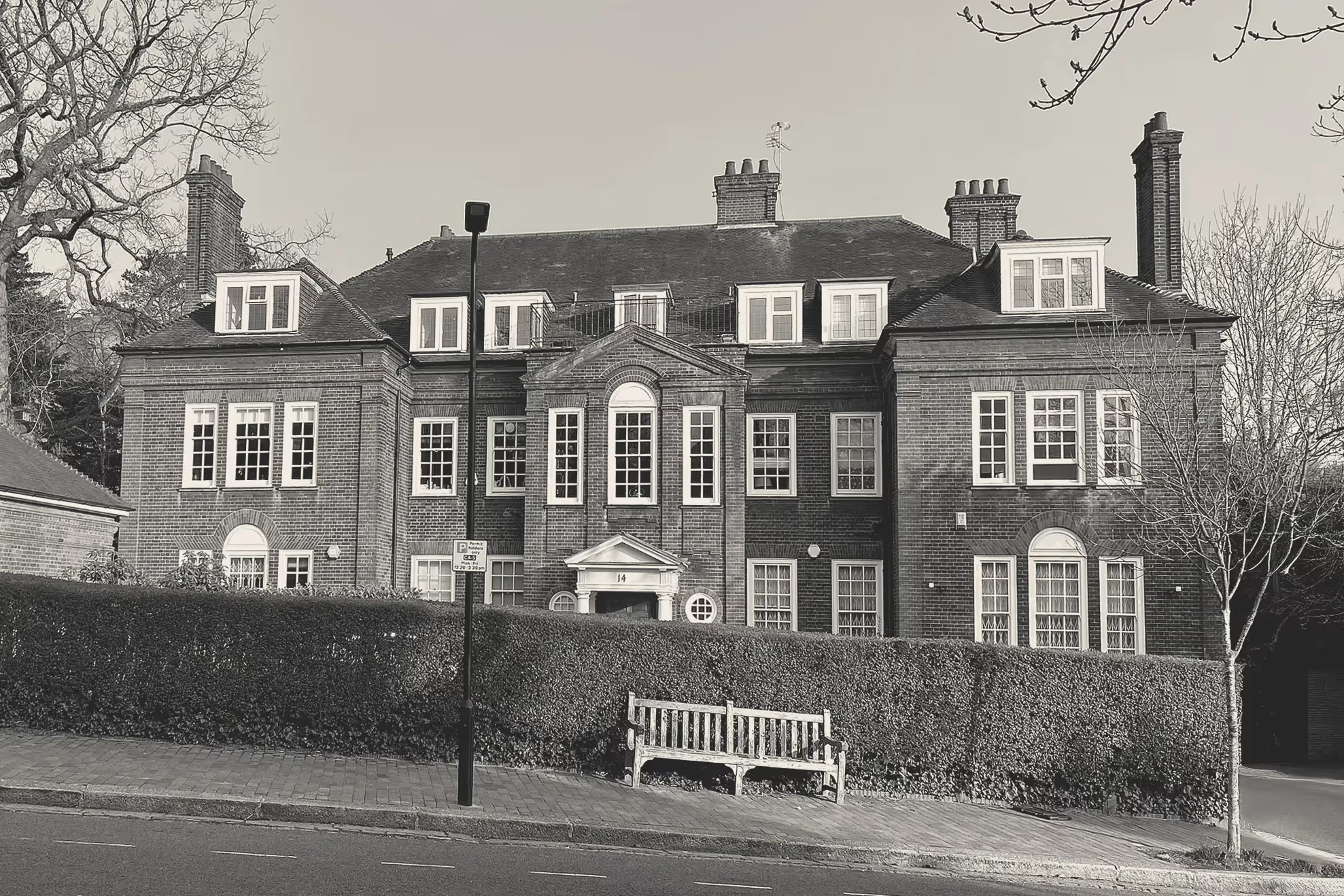
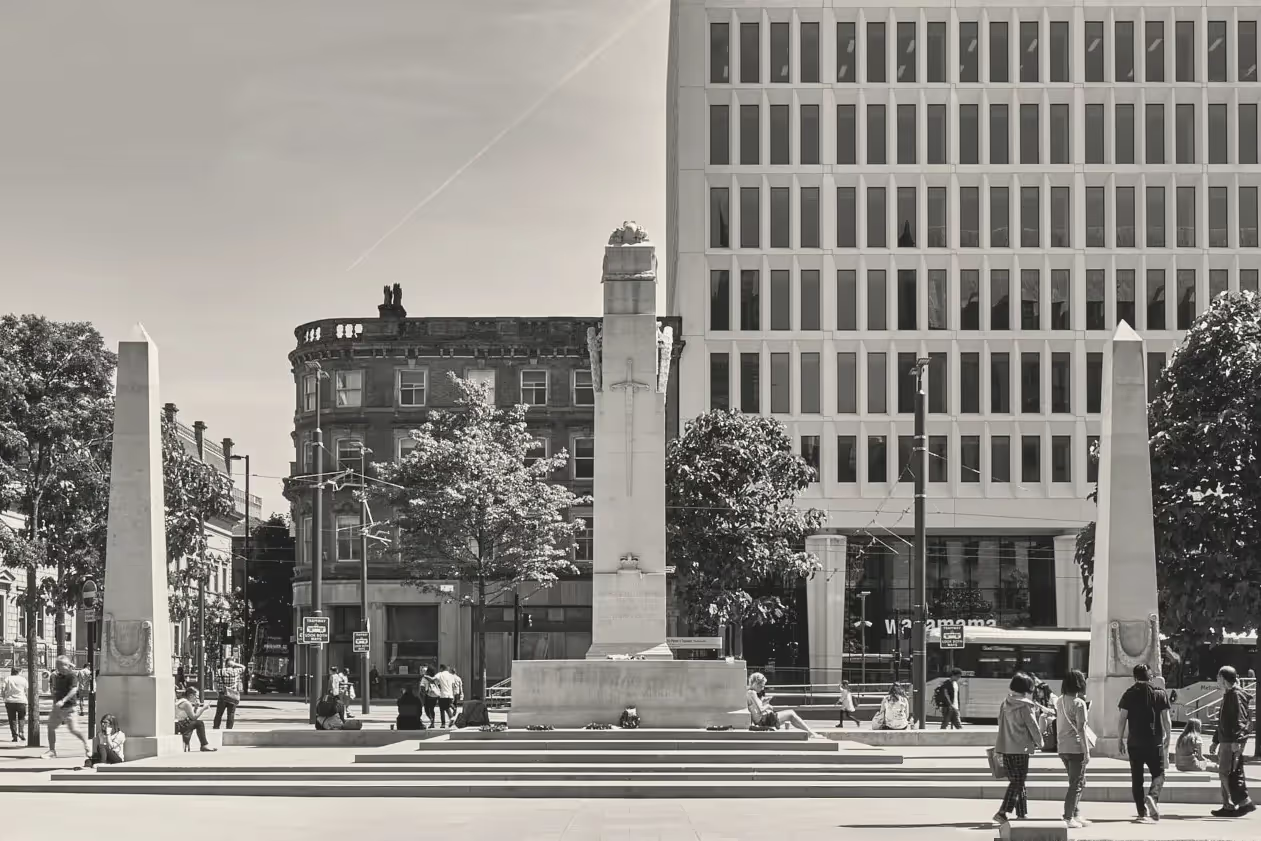
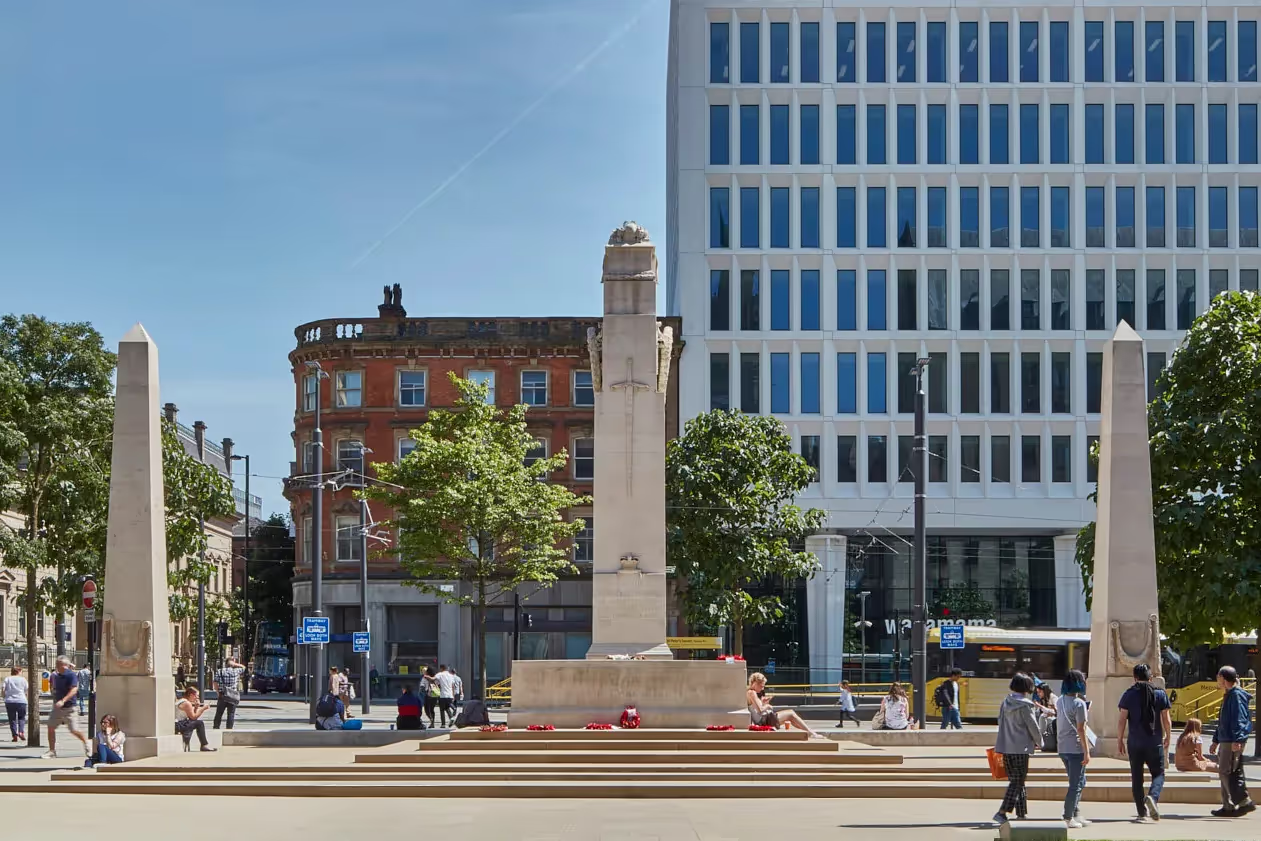
Through the 1980s and 1990s, the practice grew steadily, working across public and private sectors, including Manchester's city-centre renewal after the 1996 IRA bombing. Since then, its portfolio has ranged from Nash's terraces in Regent's Park to the Grade II* Hampstead Synagogue and the unassuming charm of Emery House in Hammersmith. More recently, the team has led the conservation of the Liberty building in Soho - that Tudor-style paradox of 1920s ingenuity - and the relocation and repair of Lutyens' Manchester Cenotaph, an exercise in both precision and reverence.
The practice today continues to draw on the same mix of academic insight and architectural practicality. Each project begins with a deep understanding of history, materials and craft, supported by expertise in planning, surveying and design. Drawings and reports are produced with the same attention to detail as the buildings themselves — analytical, elegant, and enduring.
For Stephen and the team, conservation is not about nostalgia but continuity: the ability to work with the past to inform the future. Twenty-five years on, the values that shaped the practice remain central - clarity, craftsmanship, and care for the places that define our shared built heritage.