Moving and Conserving Sir Edwin Lutyens’ Manchester Cenotaph
Adapted from an article by Stephen Levrant, originally published in [Association for Studies in the Conservation of Historic Buildings, 2018].
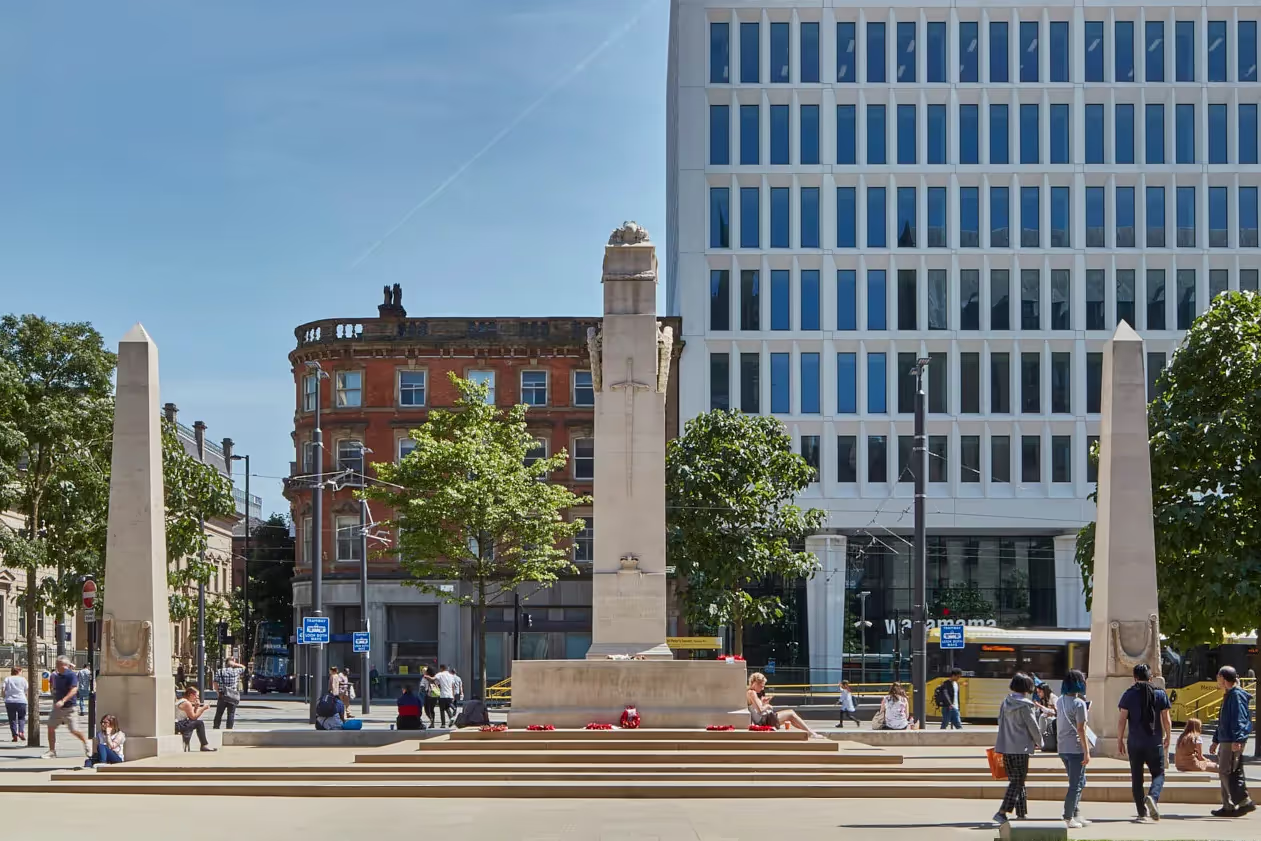
The Grade II* Manchester Cenotaph, designed by Sir Edwin Lutyens in 1924, has long stood as a solemn civic symbol of sacrifice. But by the early 21st century, its setting in St Peter’s Square had lost much of its dignity. The introduction of the Metrolink tram system, new buildings, and shifts in the city’s landscape had left the memorial hemmed in and diminished.
When the Second City Crossing tram route was planned, Manchester City Council seized the opportunity to restore the Cenotaph’s presence. In 2012, Heritage Architecture Ltd was appointed to design a new setting, manage its conservation, and oversee the relocation.
Understanding the memorial
Lutyens’ Cenotaph and flanking obelisks were conceived as a quiet, universal space of remembrance - rooted in proportion, geometry, and restraint. Over time, changes to the surrounding cityscape had stripped the site of the intimacy and ceremony it once held.
Why move it?
The tram alignment and raised platforms had cut into the memorial’s plinth, even becoming part of a station stop. Annual remembrance events were forced into awkward, unsafe positions among tram lines. Simply put, the memorial could no longer fulfil its civic or symbolic purpose where it stood.
Relocating with care
After extensive consultation, the new location, beside the Town Hall and its Extension, was chosen to retain the Cenotaph’s civic relationship while providing space for reflection and ceremony. The ensemble was dismantled stone by stone, conserved, and rebuilt with precision. We guided each stage by the principle that meaning and symbolism matter more than material permanence, from lifting the catafalque to re-cutting the lettering on the War Stone.
A renewed setting
The new design draws on Lutyens’ original geometry while accommodating contemporary needs. Portland stone benches and a memorial wall now define a calm, accessible space for quiet remembrance. At night, subtle lighting reveals the Cenotaph’s form without spectacle. Since its rededication in 2014, the memorial has regained its rightful place at the heart of Manchester’s civic life - its dignity restored, its symbolism enduring.