Reframing a Legacy

.avif)


Levrant, founded by Stephen Levrant, and formerly known as Stephen Levrant Heritage Architecture and later Heritage Architecture, has long helped clients understand, adapt, and sustain the buildings that shape our shared history. Working across public and private sectors, the practice has built a reputation for credibility, tenacity, and pragmatic judgement. From intricate repairs to carefully considered additions and regeneration projects, the work is guided by a belief that conservation is an act of continuity — a dialogue between past, present, and future.
When we began working together, we encountered a team defined by deep expertise, careful analysis, and quiet confidence. The work was widely respected, yet the identity had not kept pace with the practice’s evolution. It did not fully convey the authority, judgement, and care behind the work. Through collaborative workshops and open dialogue with the team and their clients, a clearer understanding of Levrant emerged. Clients spoke consistently of thoughtful decision-making, dependable delivery, and an unwavering commitment to detail. Clarity over noise. Substance over style. Care in every decision. From this understanding, Levrant was defined as an architecturally led heritage and townscape consultancy, balancing academic insight, architectural judgement, and practical experience. The work is meticulous and reflective, rooted in adaptive reuse and guided by responsibility to both past and future.
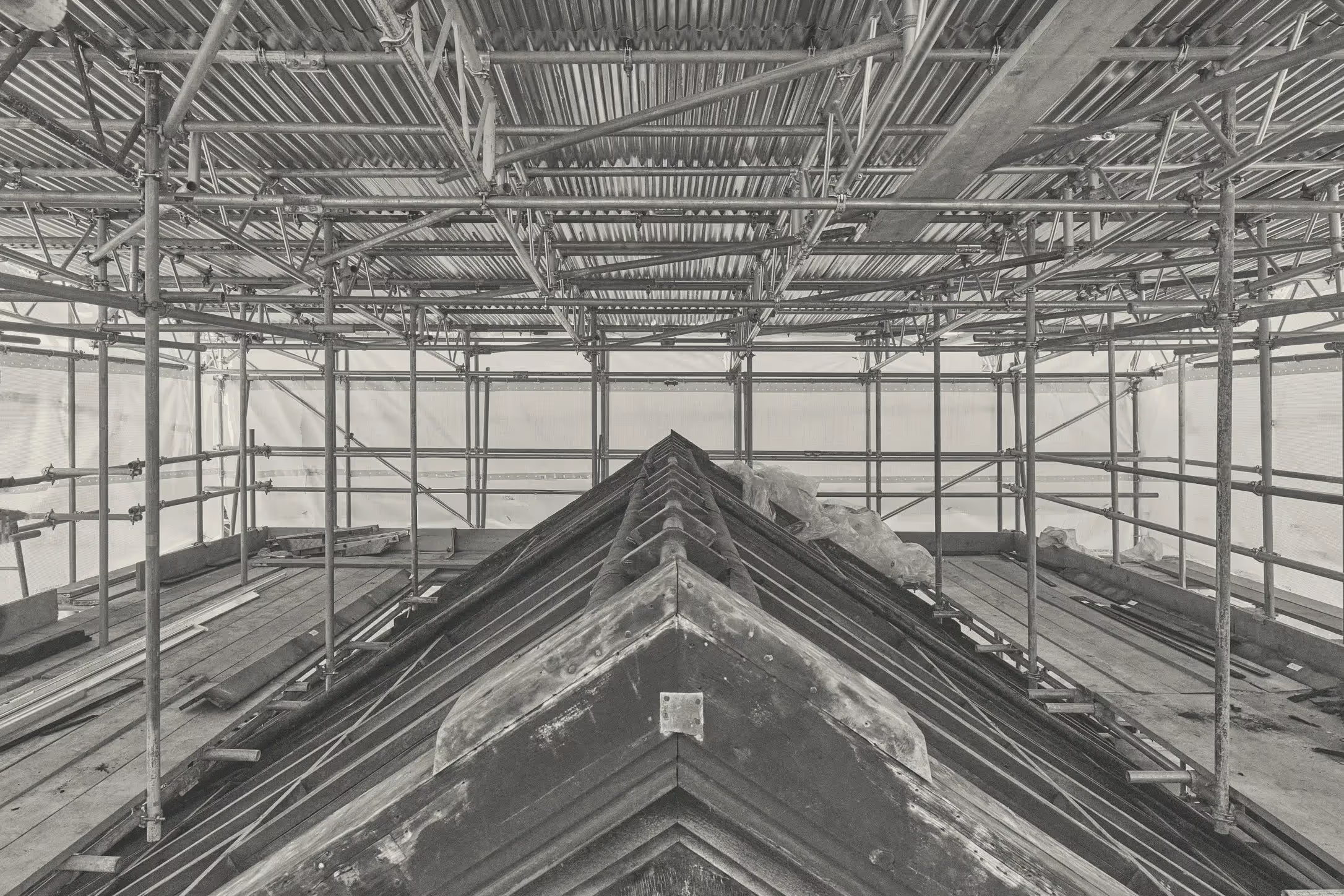
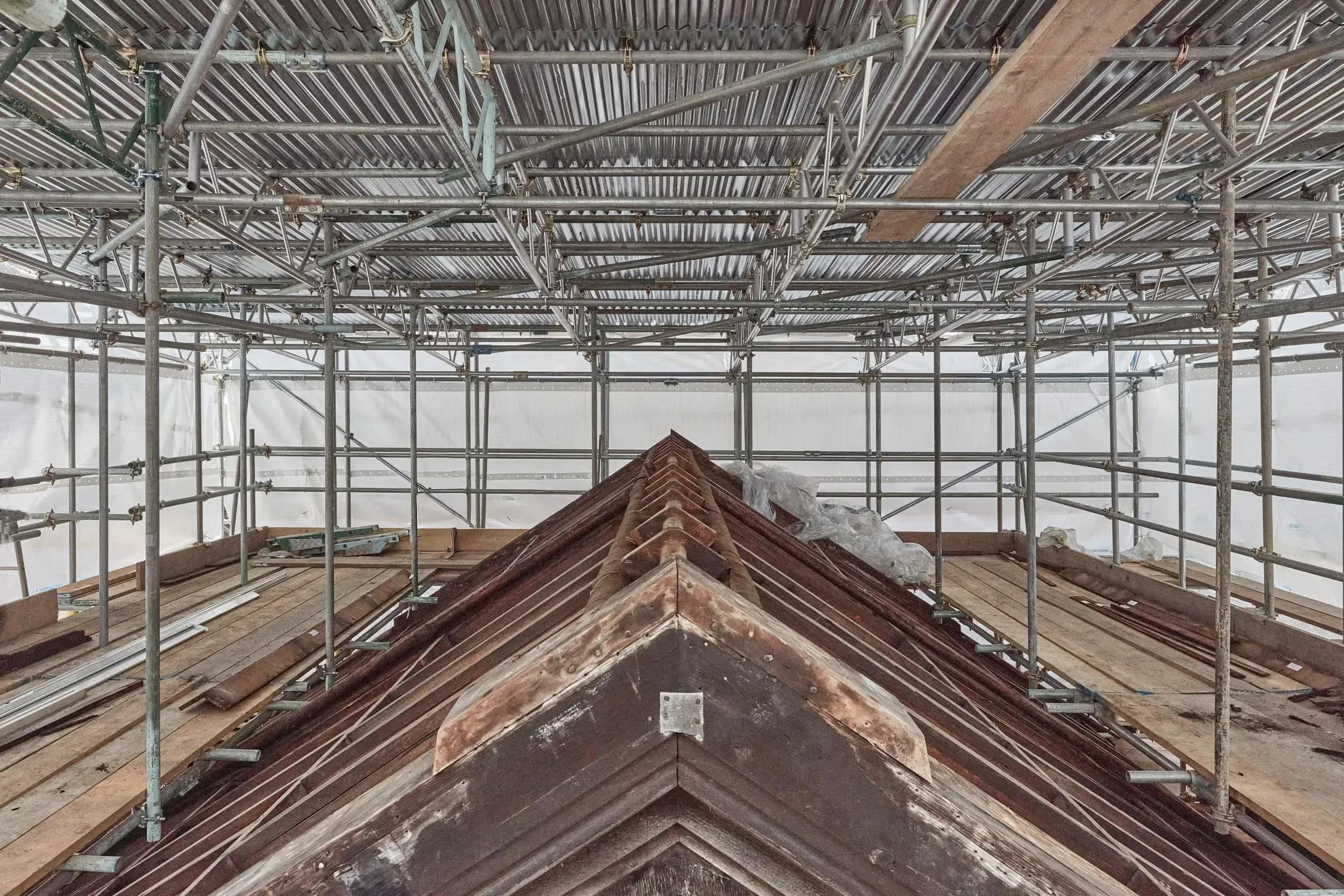
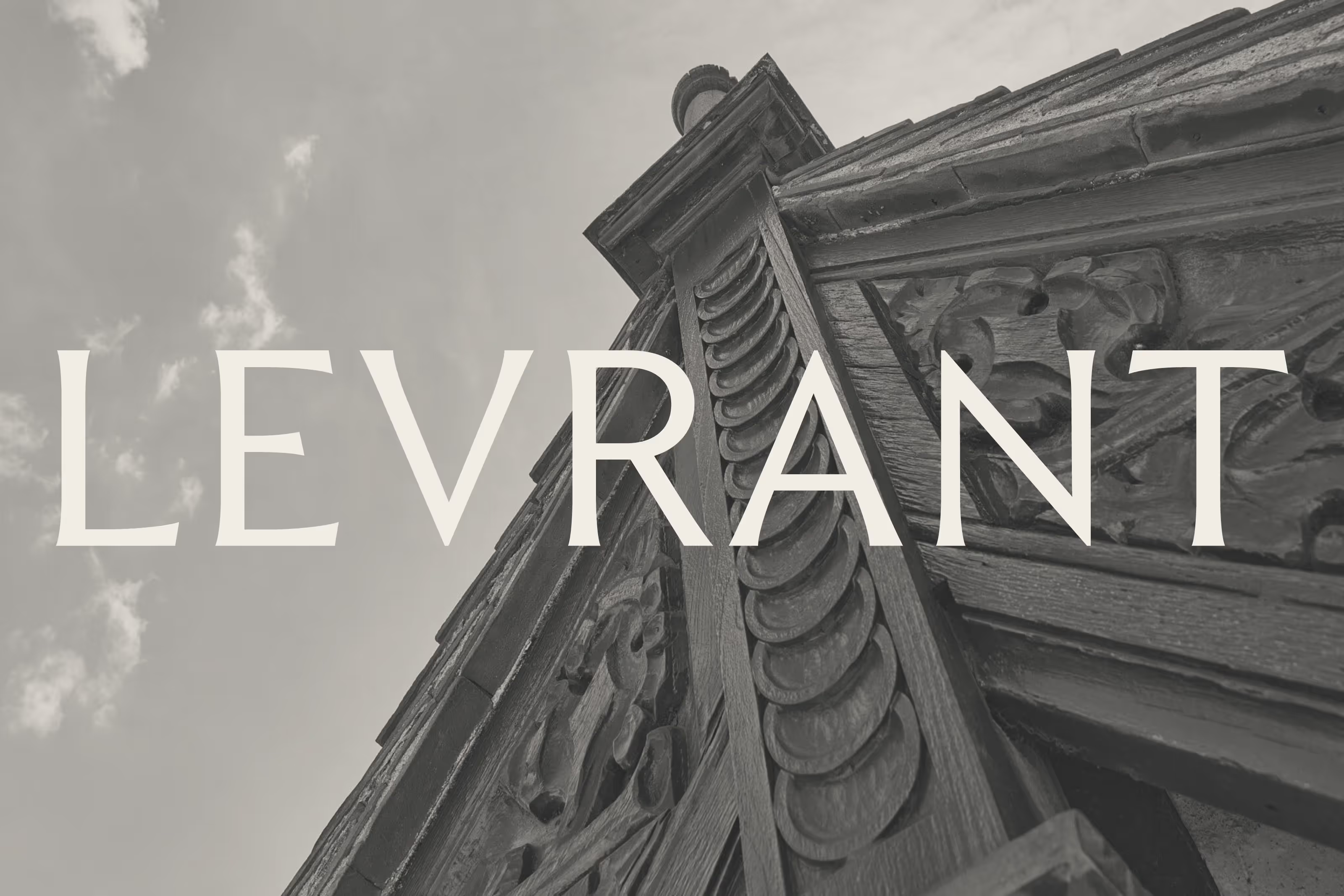
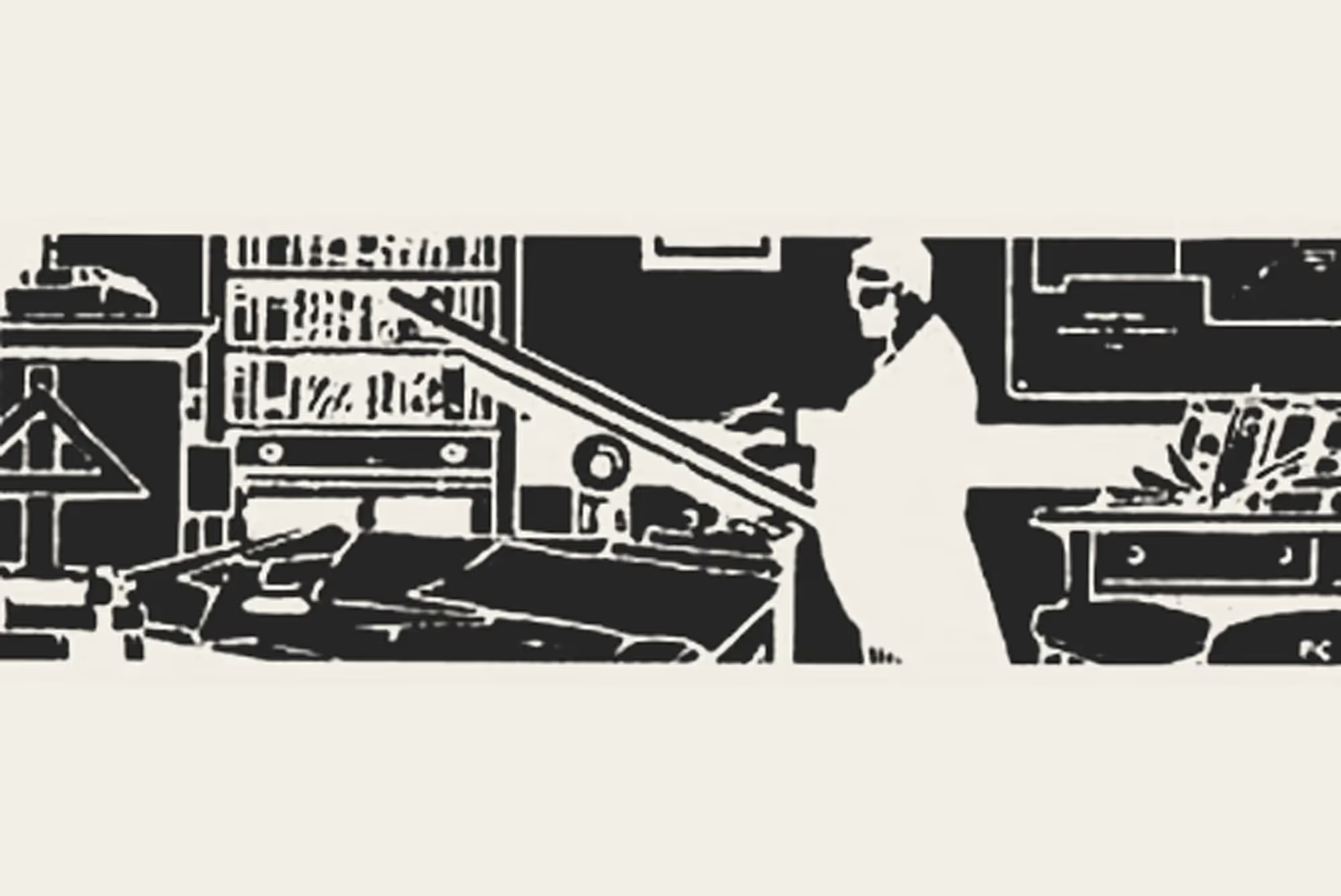
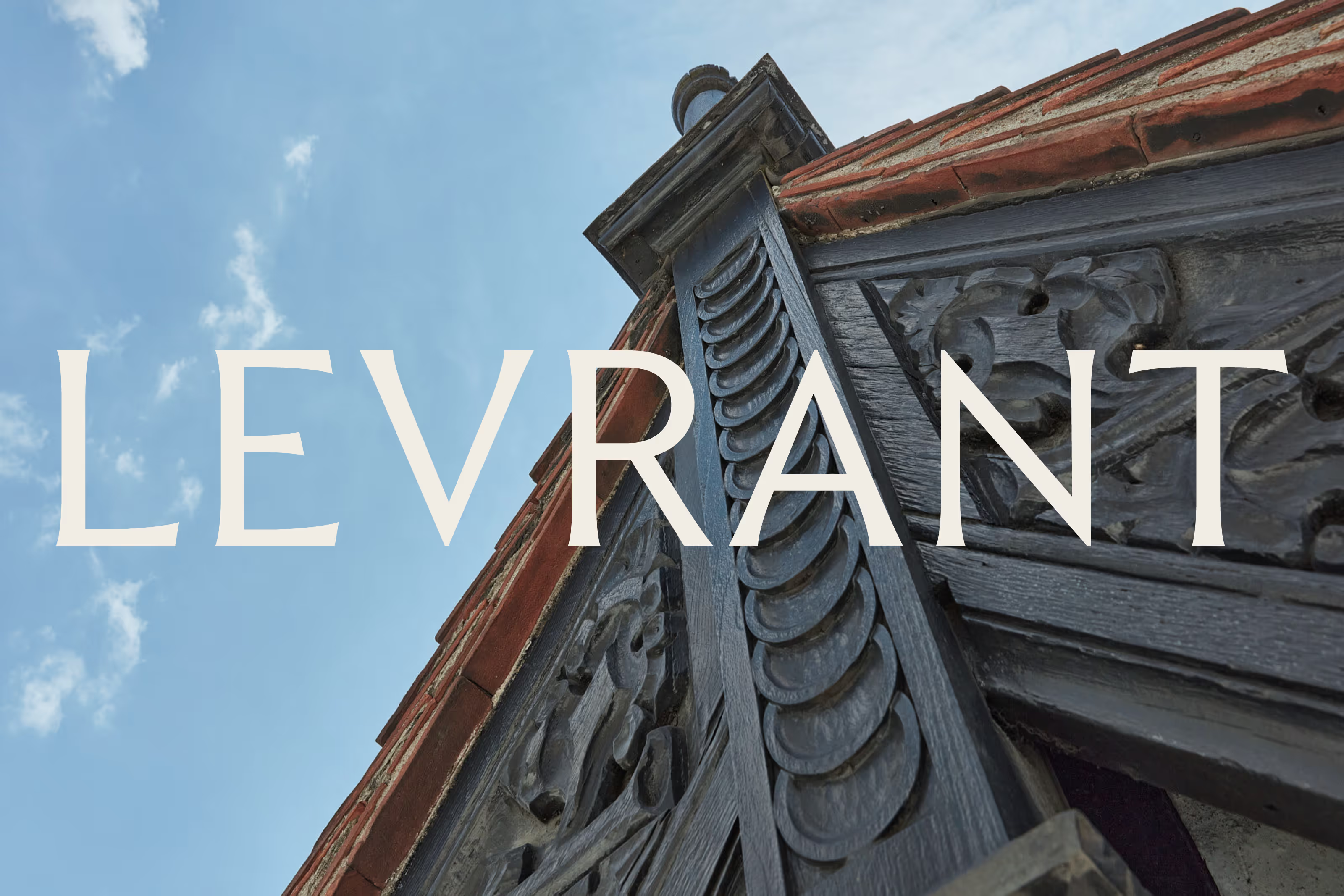
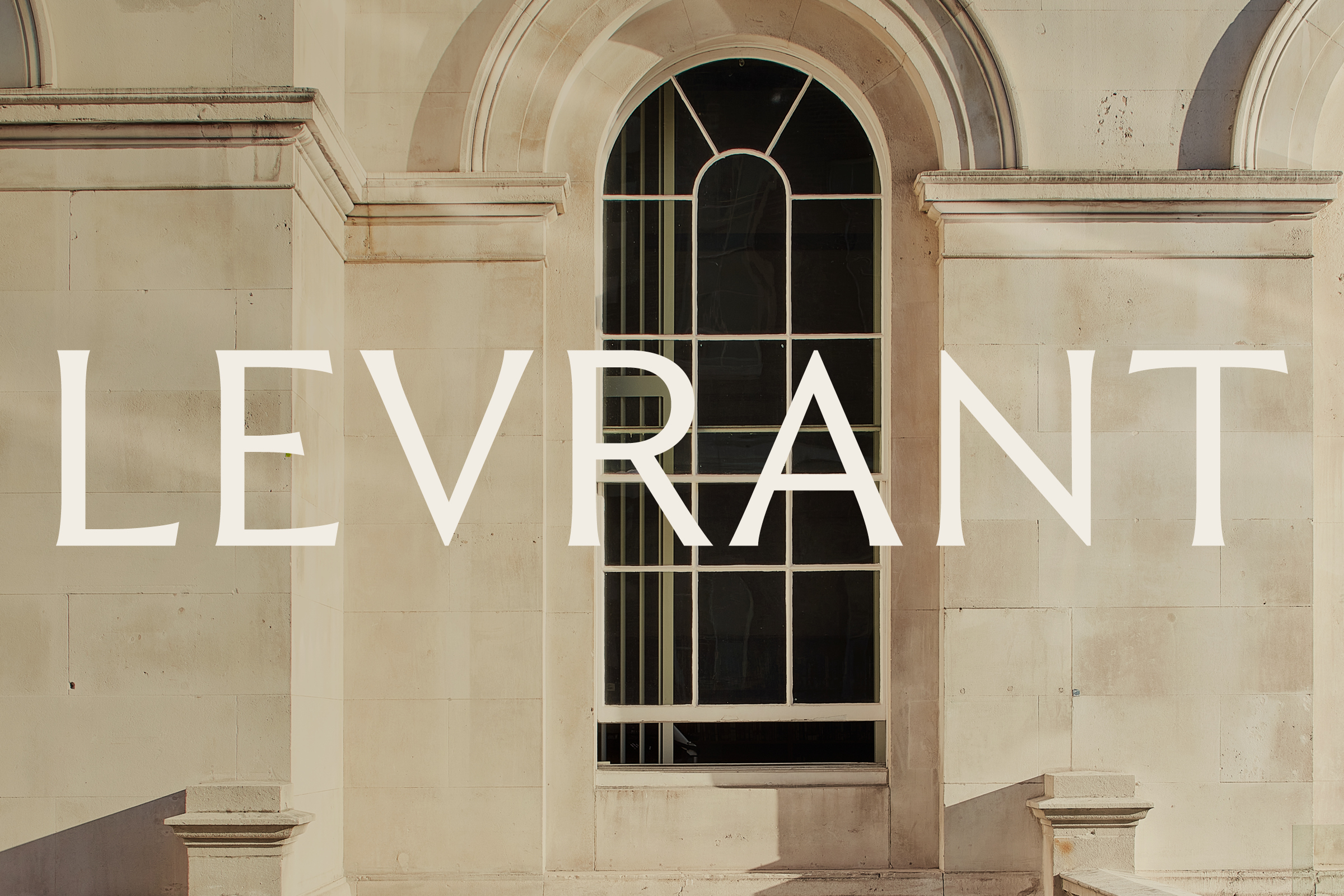
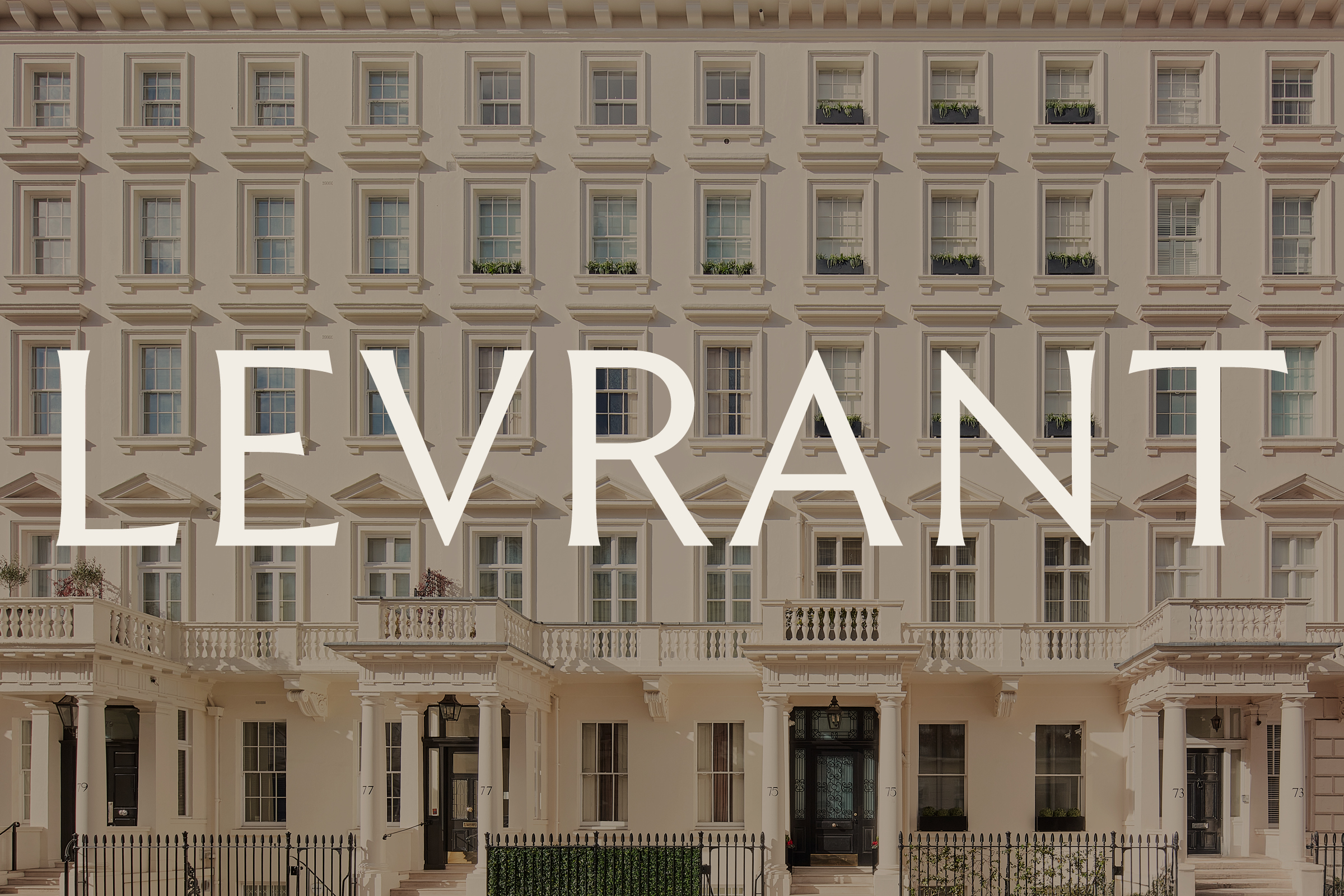
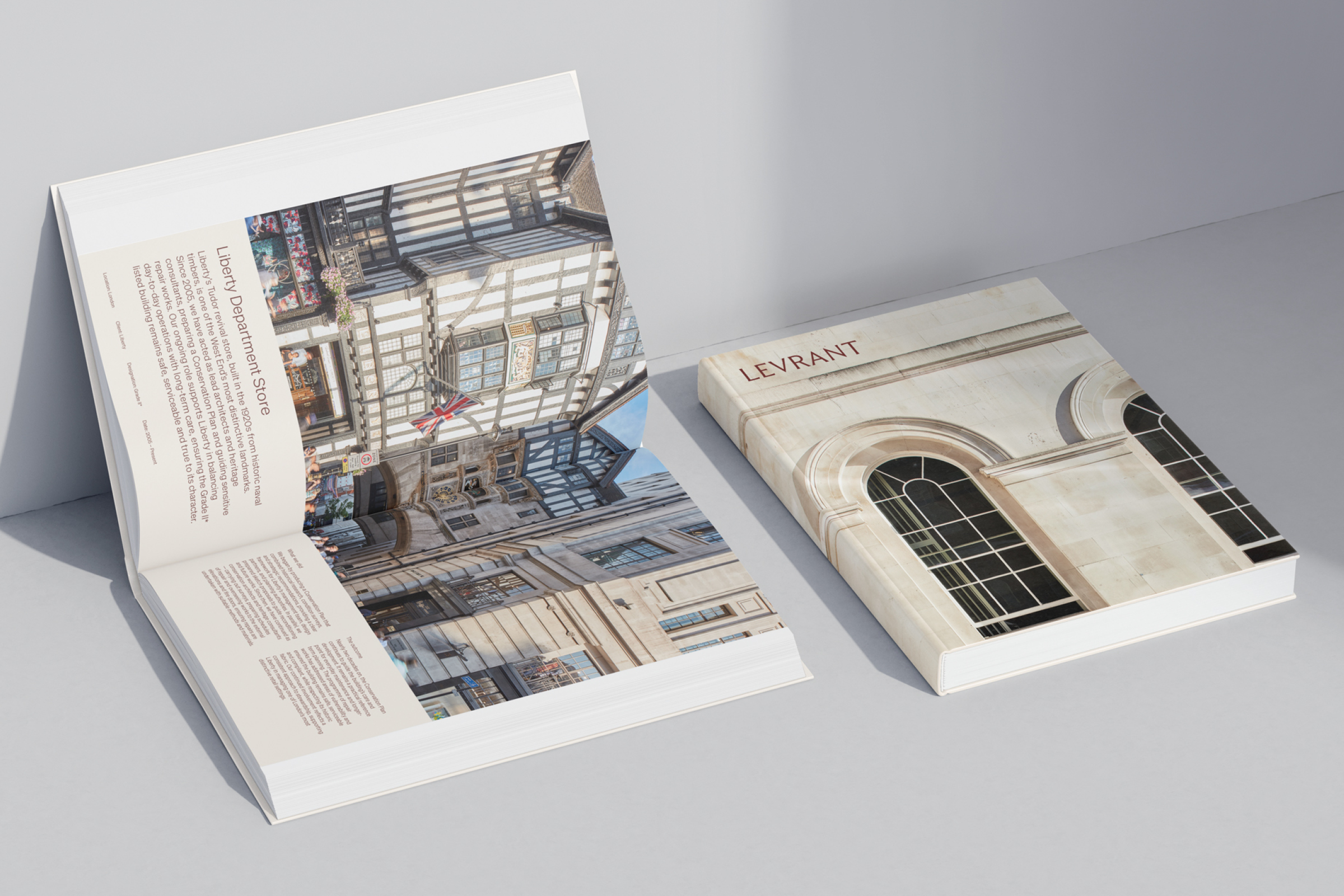
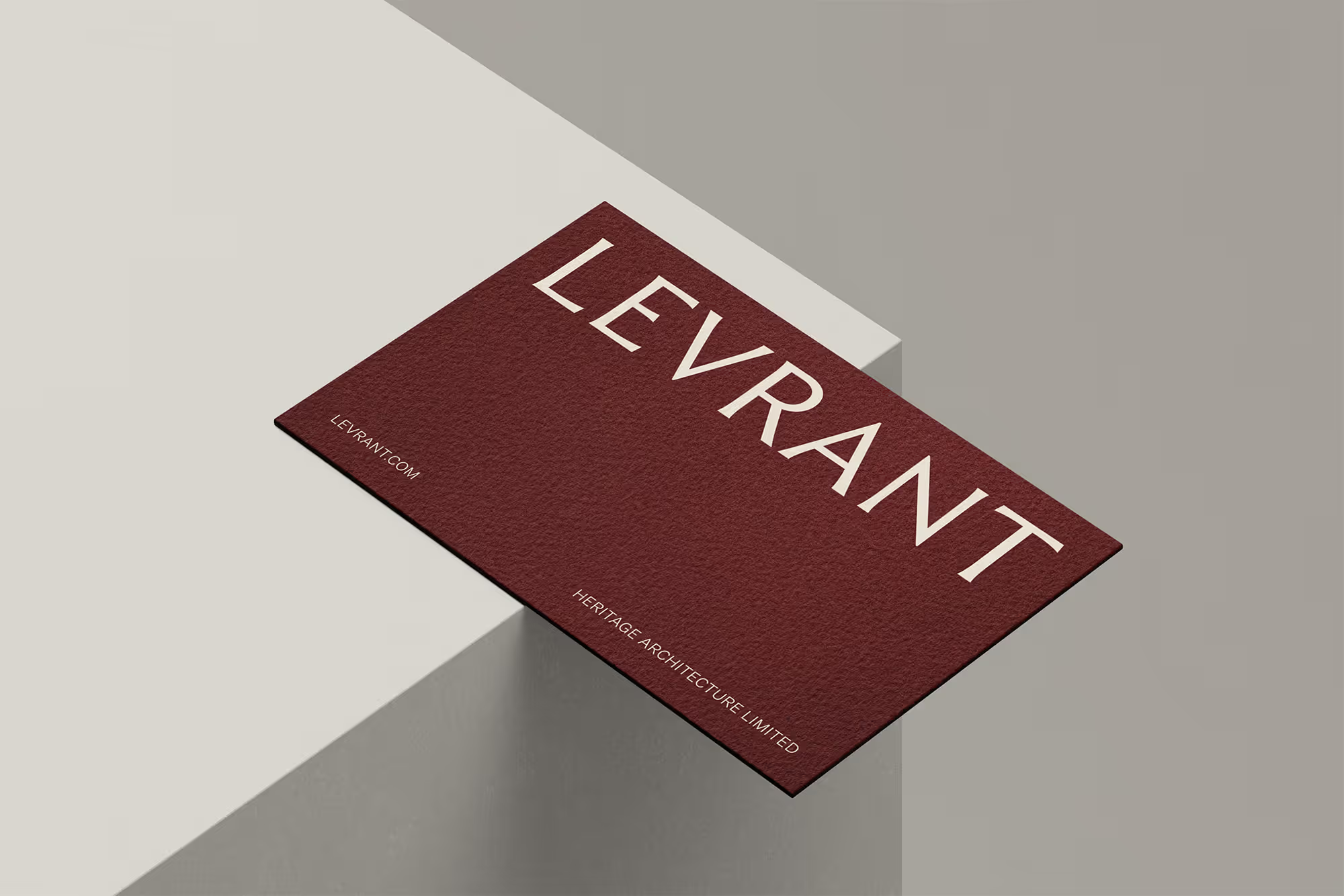
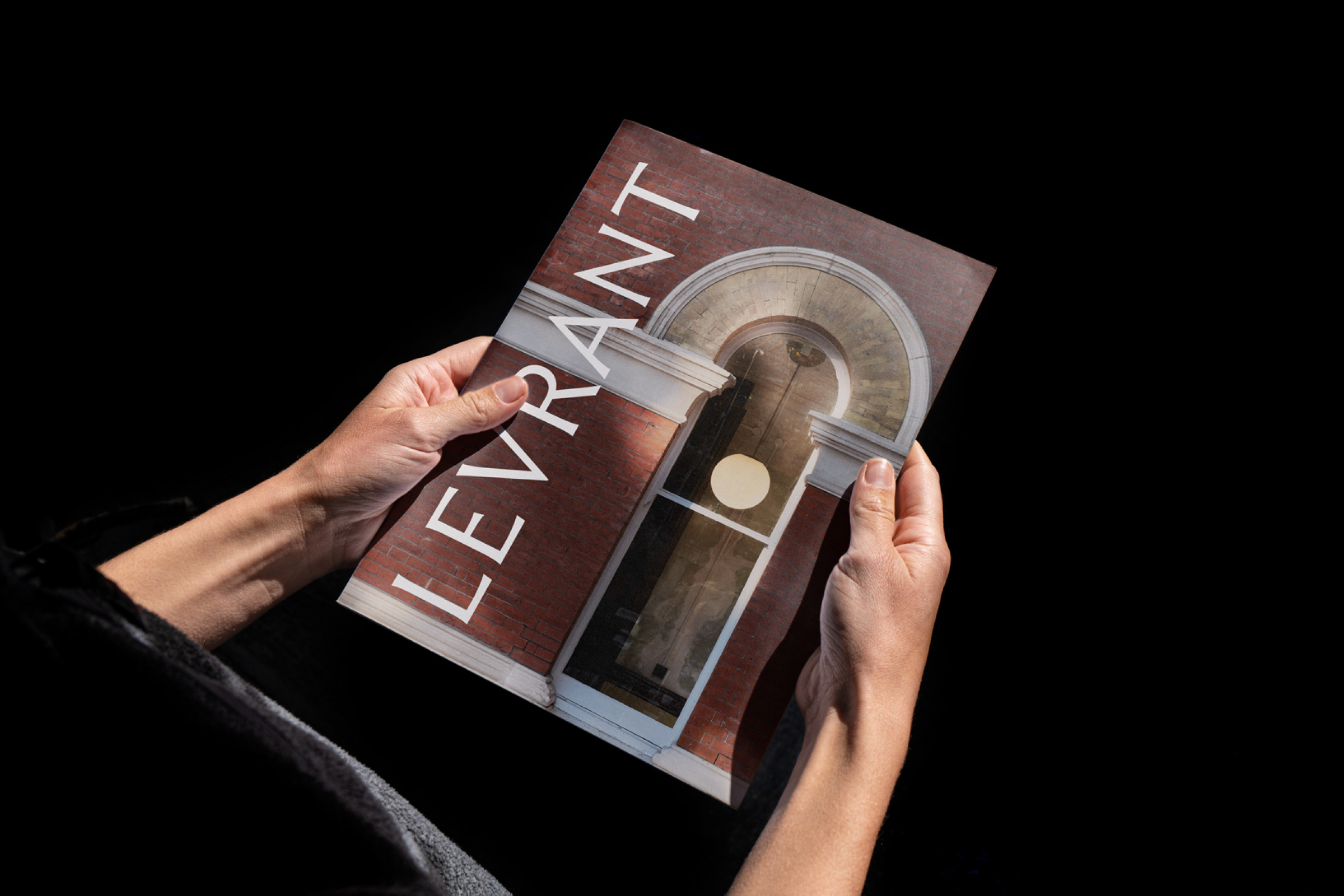
Renaming the practice to simply Levrant marked an important step. While “Heritage Architecture” described the field, it no longer reflected the team’s character or focus. The new name offers a clearer, more confident presence — straightforward, assured, and without unnecessary qualification. The new identity is shaped by the same principles that guide the practice. Not to modernise for its own sake, nor to compete for attention, but to ensure Levrant is properly understood. Restraint, proportion, and coherence define the system, conveying authority through poise rather than assertion — an identity that balances heritage craftsmanship with a modern sensibility. The mark is deliberate and composed. Typography introduces rhythm and calm, prioritising legibility and presence over display. Space is used generously, giving weight to material, detail, and context. The colour palette is drawn from the physical world Levrant works within — brick, terracotta, and stone — referencing historic materials without imitation. Used sparingly, it supports continuity, craft, and an identity designed to evolve over time. Photography follows the same discipline: observant rather than demonstrative, shaped by light, texture, and form. Images are given time and space, reflecting a belief that understanding comes from close, considered observation. The tone of voice remains pragmatic, measured, and human.
Together, these elements form an identity that does not seek to stand out, but to stand true — supporting credibility, trust, and long-term recognition. It reflects Levrant’s values with clarity and intent, honouring their heritage while revealing the practice they are today: a team committed to enabling historic buildings to evolve through informed, respectful, and carefully judged intervention.