The Repair of the Exterior of Liberty
Levrant is the Lead Conservation Architect for the repair and restoration of the Grade II* Liberty Tudor Building — a landmark of craftsmanship and invention. Working on a building so distinctive inevitably brings discovery. Beneath its familiar timbered façades lie layers of history, adaptation and, at times, deterioration accumulated over more than a century of use.
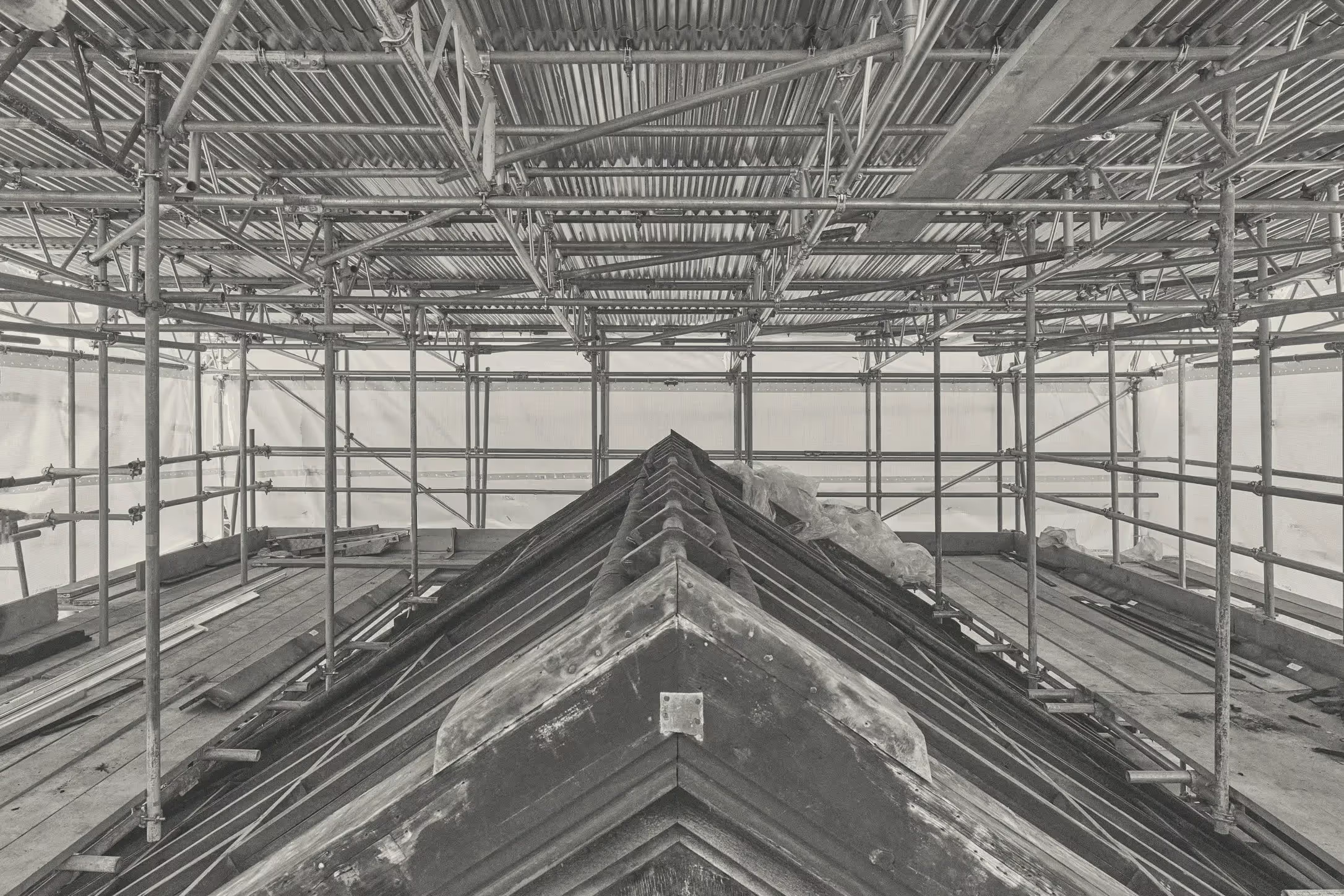
A pilot project in 2019 explored the condition of Liberty’s complex iron and stained-glass windows. From this, a complete repair strategy evolved. Since early 2020, our team has completed work on the Kingly Street, Carnaby Street and Little Marlborough Street elevations — each distinct in construction and character. These early phases have allowed us to study the building fabric closely before turning to the principal façade on Great Marlborough Street.
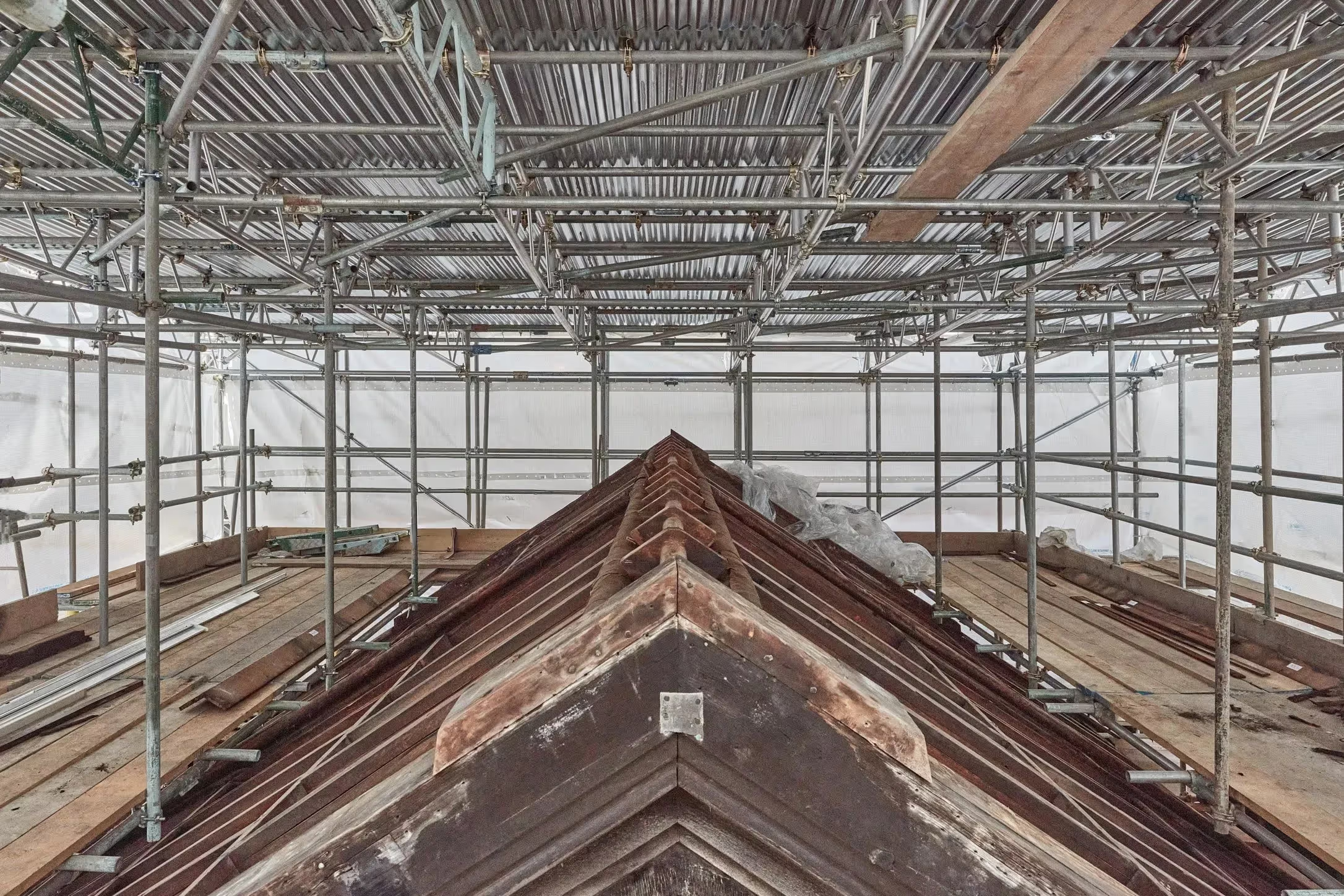
Much of Liberty’s supposed “timber frame” is, in fact, applied to a steel and concrete structure. The well-known story of teak salvaged from HMS Hindustan and Impregnable proved only partly true; oak was also used, and the timbers varied widely in quality and origin. Many were distressed by the appearance of hand-hewn work, and over time, poor lead detailing allowed rot to take hold. We have introduced seasoned oak for repairs — a sustainable, stable substitute — while retaining the original teak where possible and securing it to new substrates using traditional conservation methods.
The infill panels between timbers were of inconsistent quality and have been carefully repaired and repainted following detailed paint analysis. With layers of later coatings removed, the façades now reveal their original texture and depth — the painted finish reinstating the unity and proportion of the Tudor design.
Little Marlborough Street presented particular challenges: its glazed brickwork concealed corroded steelwork requiring local dismantling and reconstruction to ensure long-term stability. Across all elevations, we renewed leadwork with improved detailing to better manage water.
We have surveyed and repaired over 1,500 windows, bringing together specialist glaziers, metalworkers and stained-glass conservators. The restored windows now operate smoothly and match the original fabric precisely.
Close access has uncovered unexpected details — a walnut structural element in the central atrium lantern, remarkably sound, and an ingenious early sprinkler system