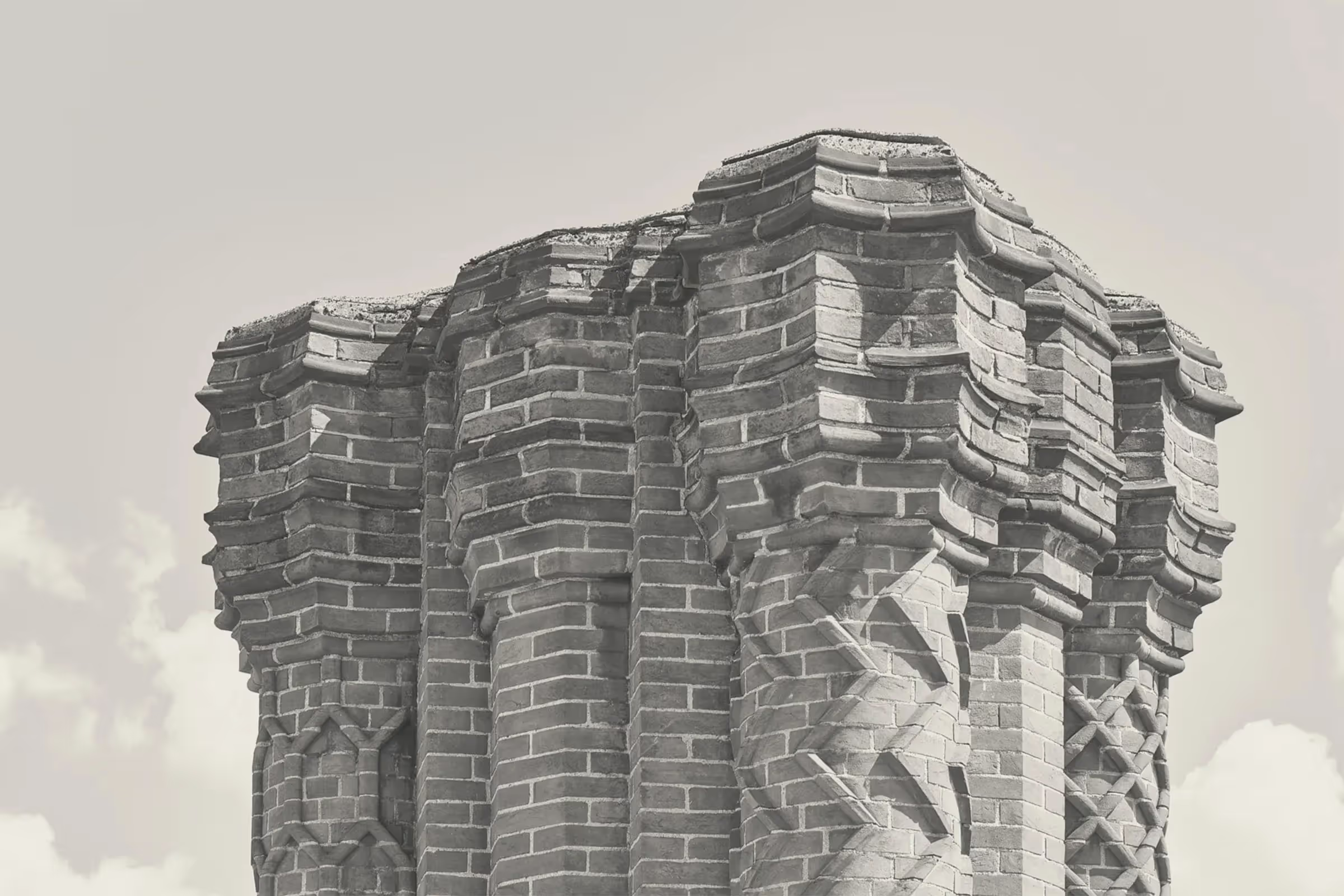
Liberty London: A Century of Craft and Contradiction
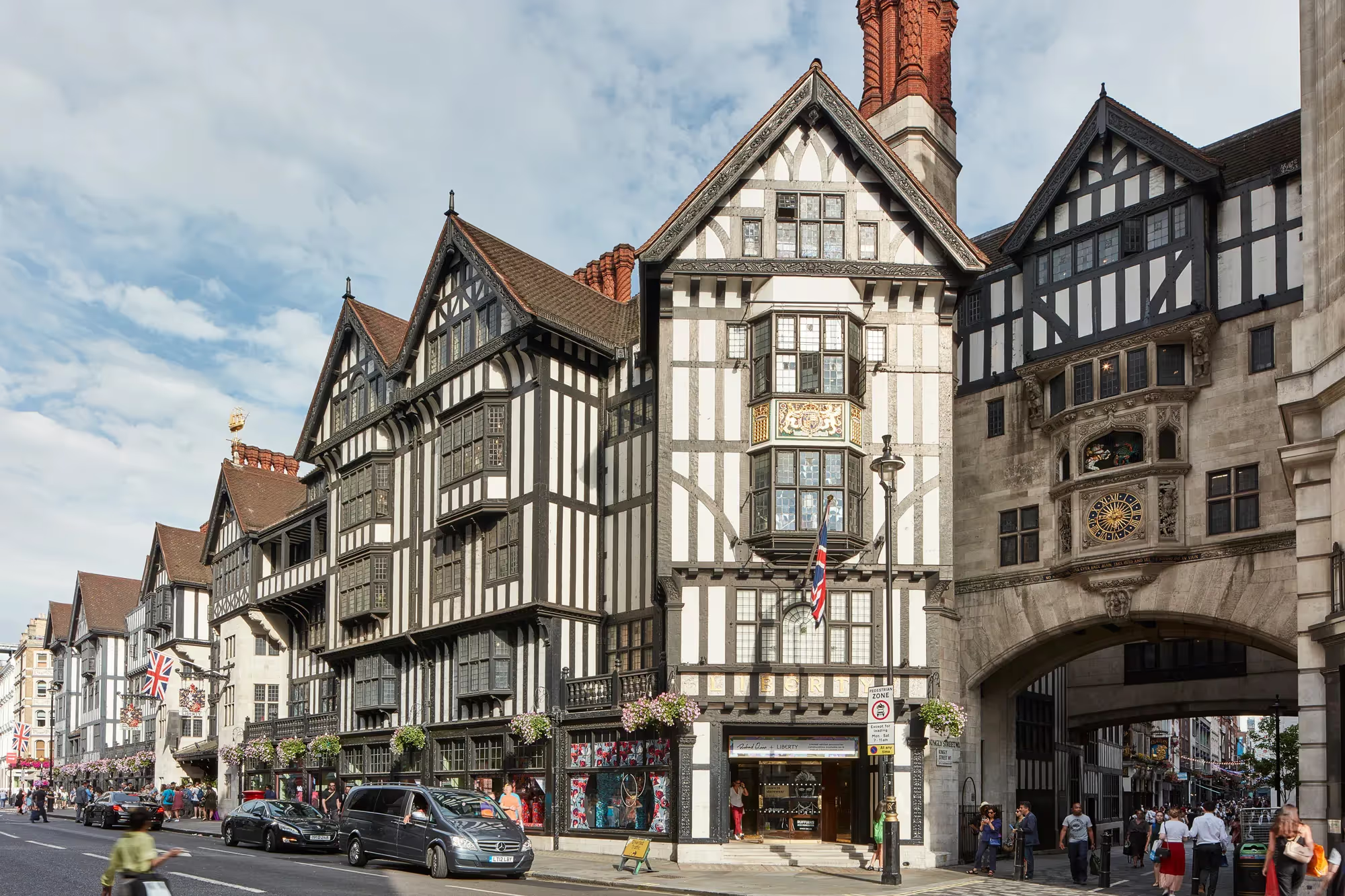
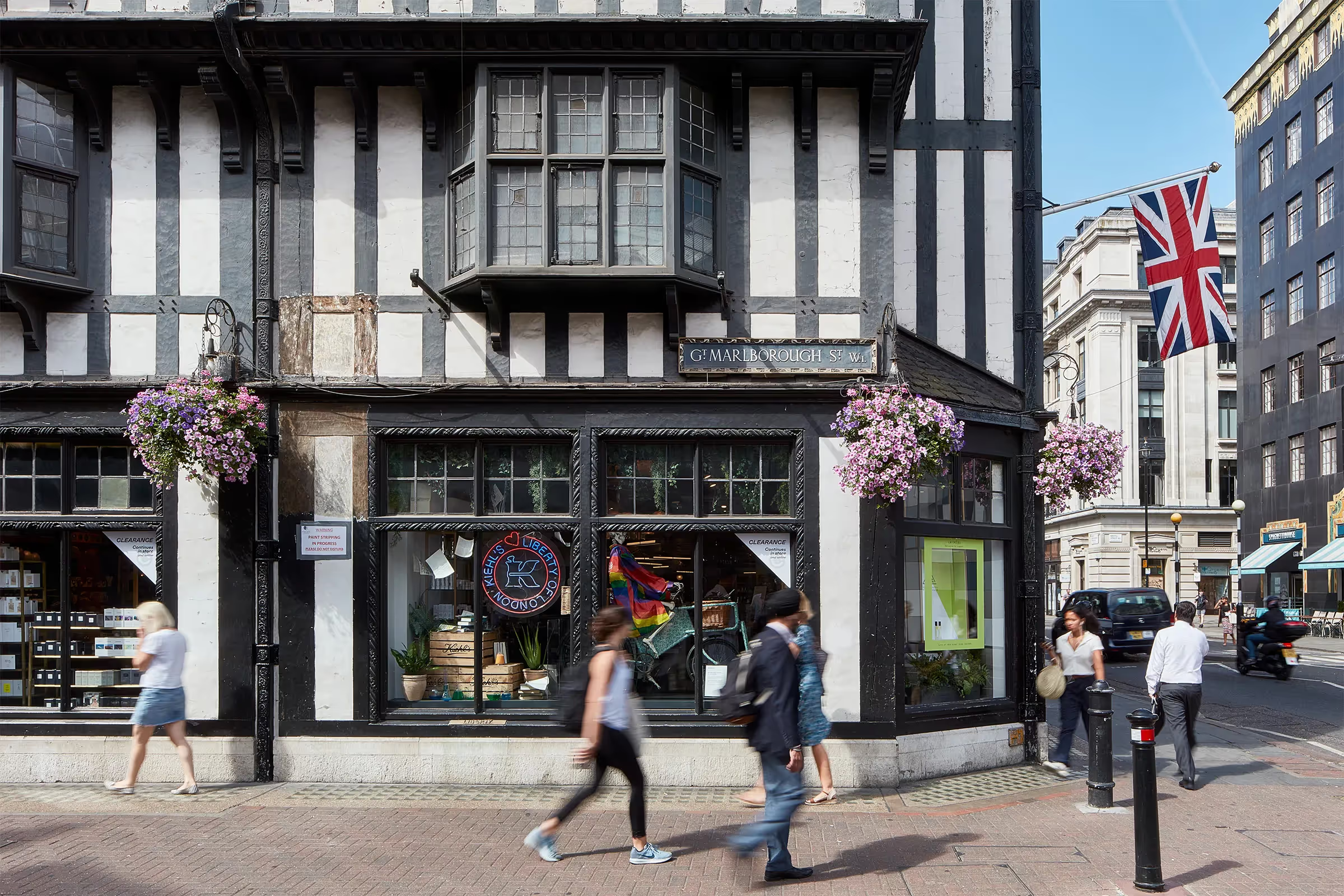
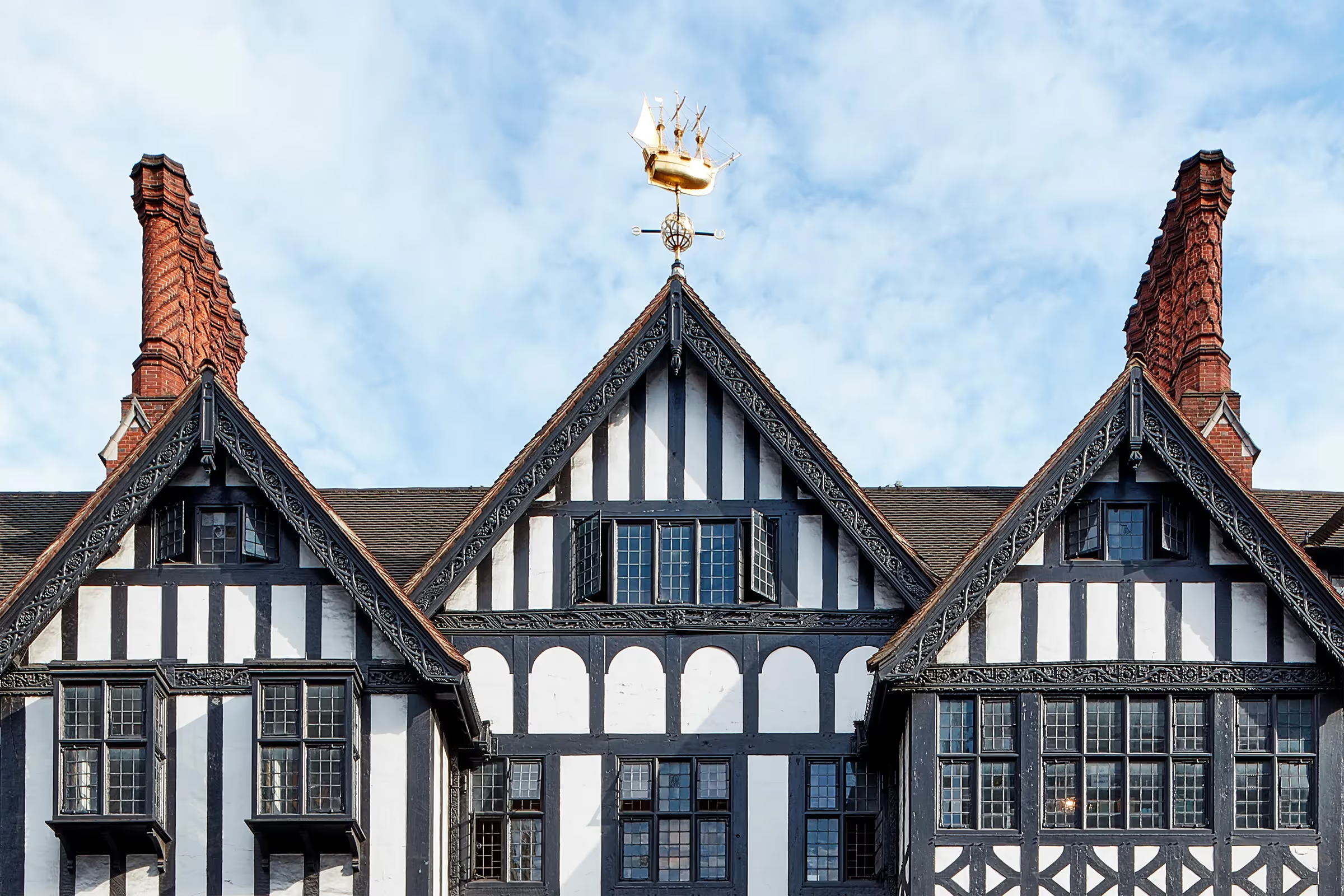
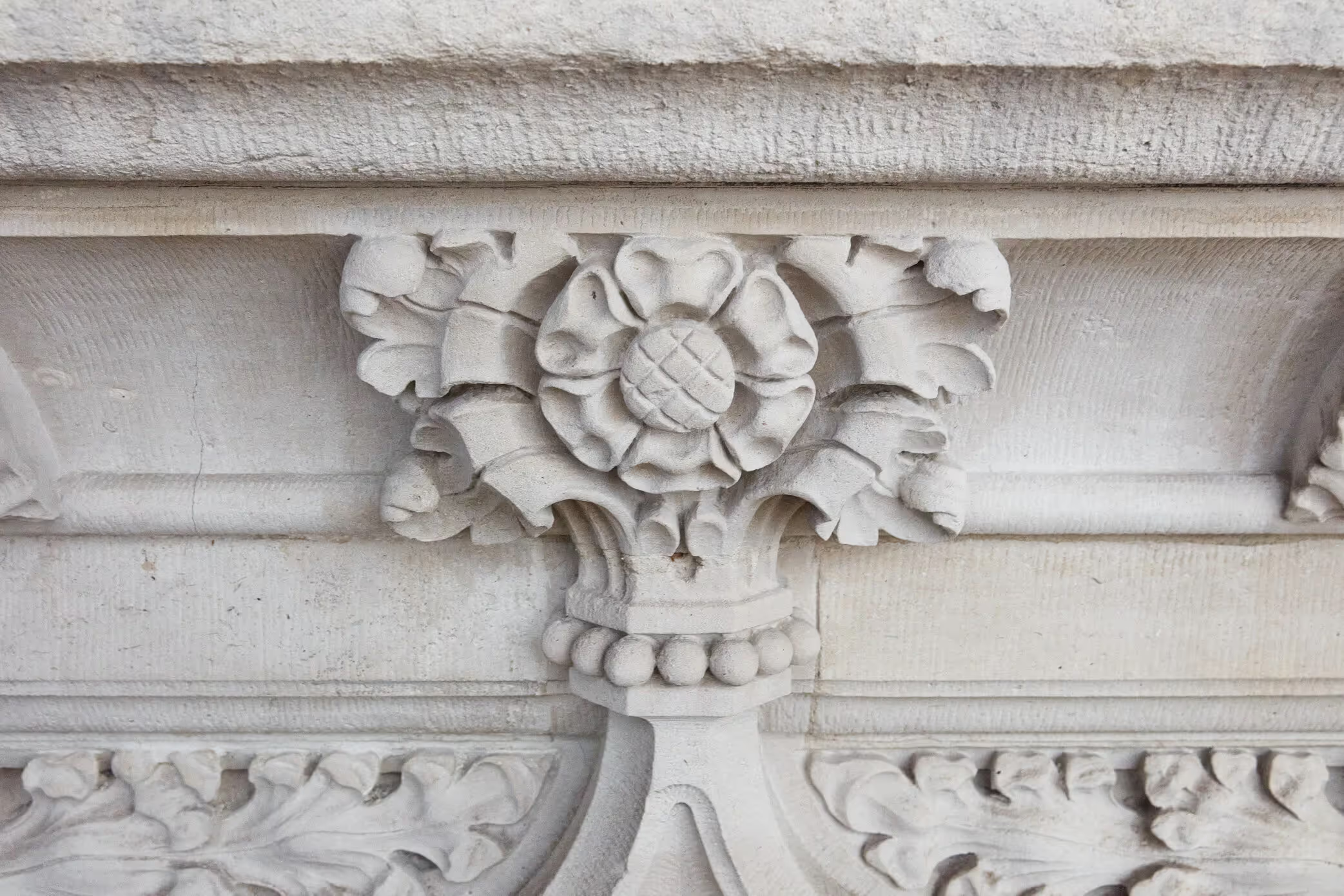
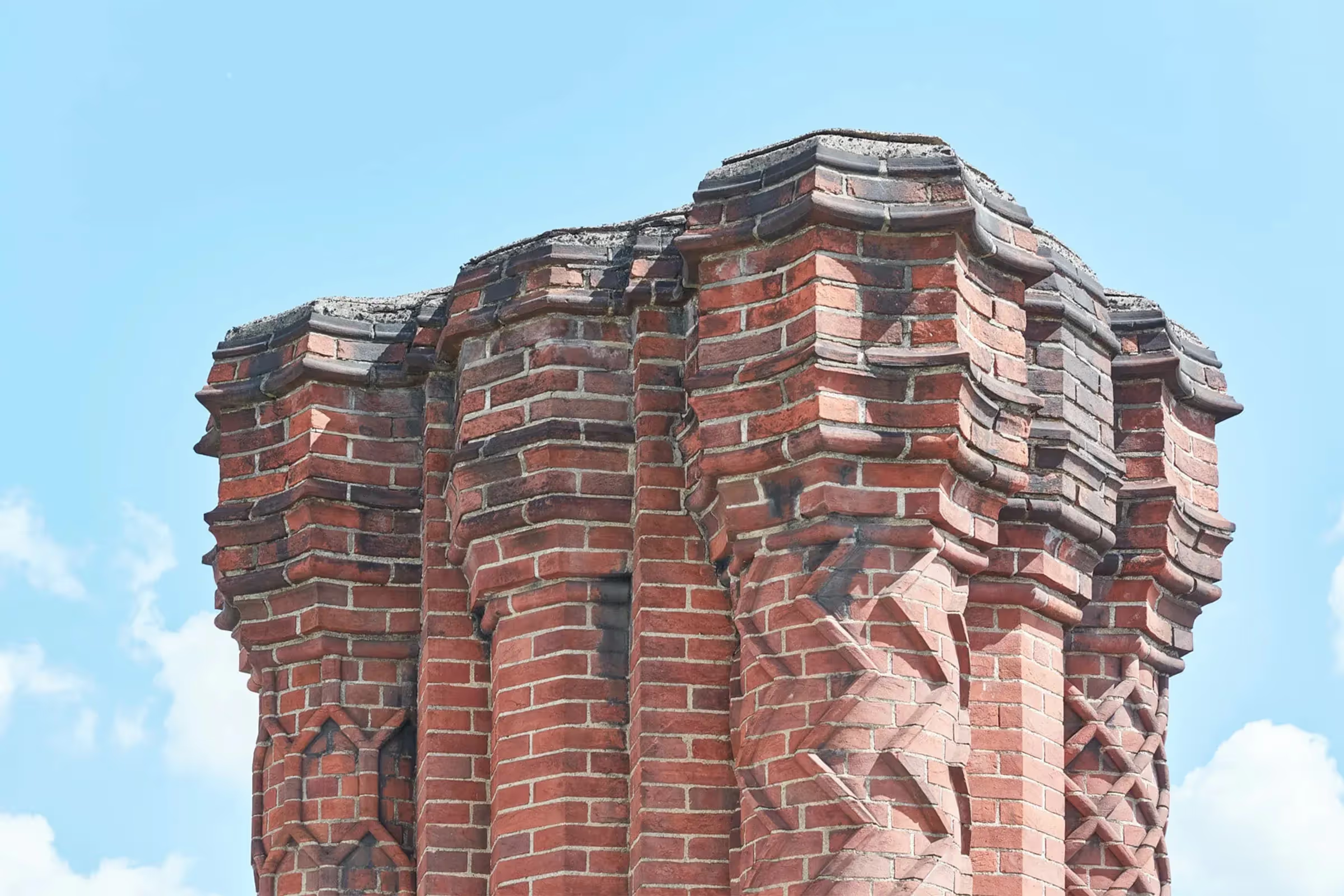
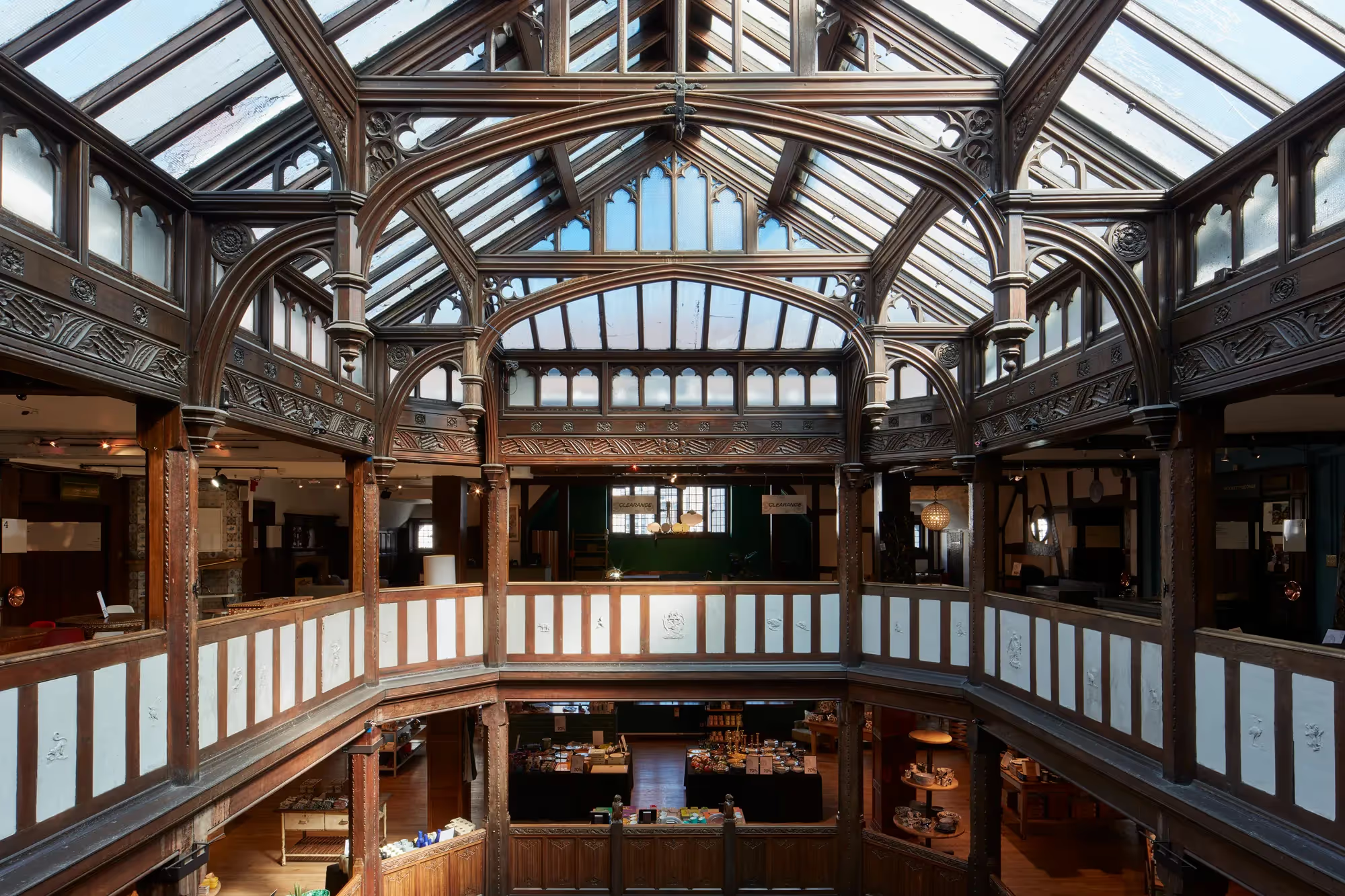
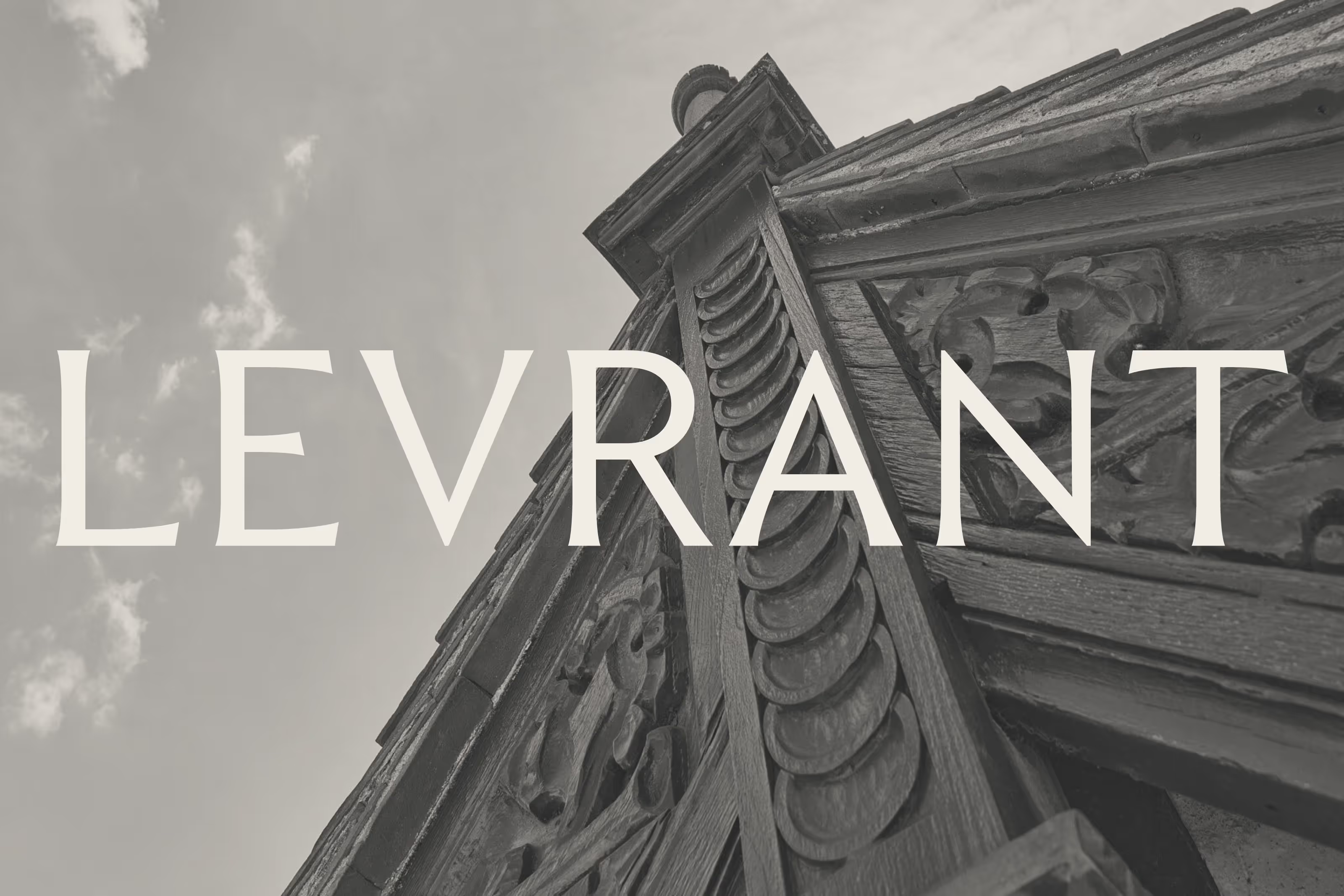
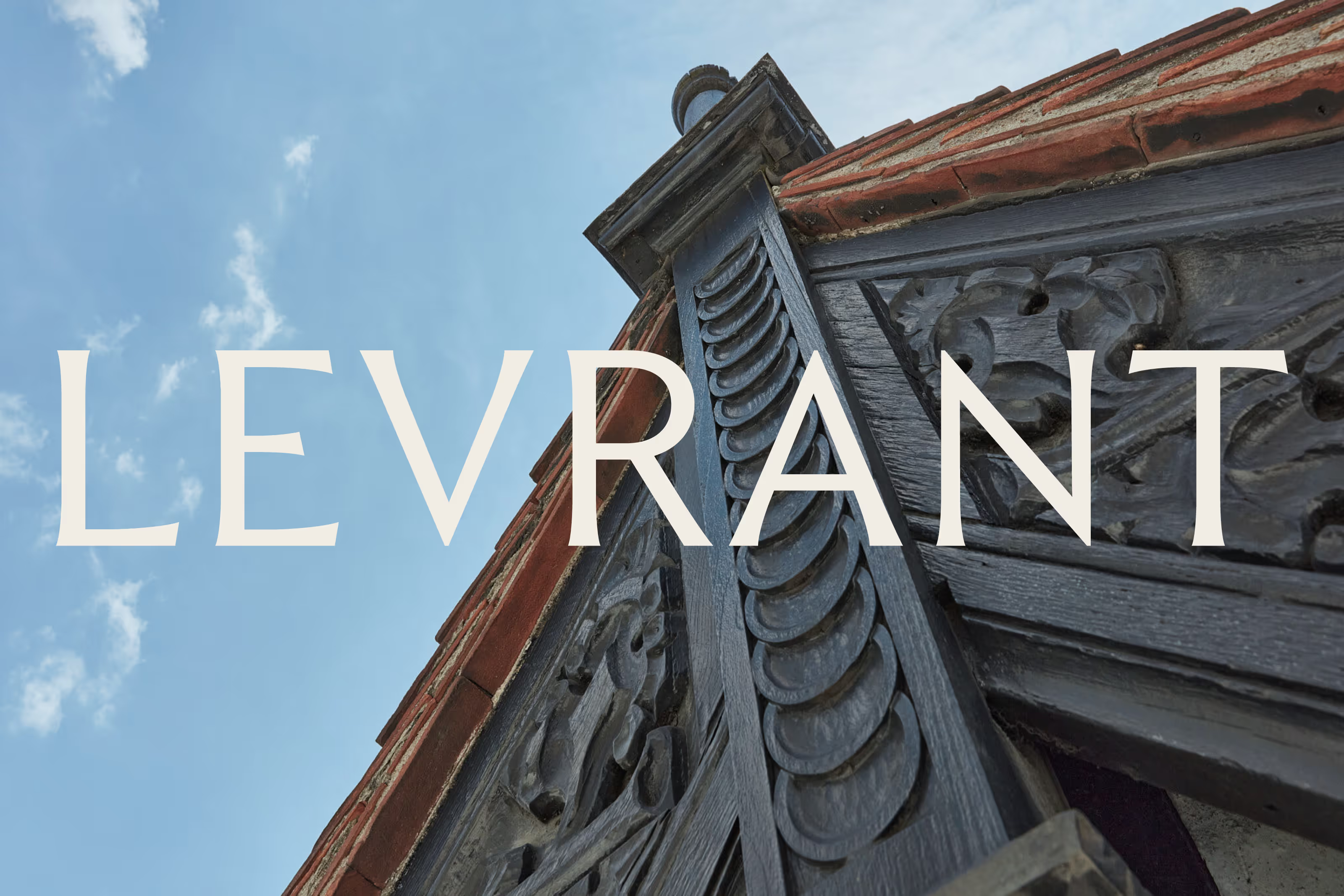
In 1922, on Great Marlborough Street at the edge of Soho, work began on what would become one of London's most distinctive and eccentric landmarks - the Liberty department store. Designed by Edwin Thomas Hall and his son, Edwin Stanley Hall, the building fused Tudor revivalism with early twentieth-century engineering to create something at once nostalgic and radical. Its steep gables, timber façades and Arts and Crafts detailing reflected the vision of its founder, Sir Arthur Lasenby Liberty, whose belief in craftsmanship and individuality helped define British design. Although he did not live to see the finished work.
A century later, Levrant (then Heritage Architecture Ltd) was appointed to lead the first significant conservation of this Grade II* Listed icon. What began as restoration soon became a study in contradiction - a mix of outstanding artistry and inventive improvisation.
‘They just didn't understand traditional methods of building,' observed Principal Architect Stephen Levrant. 'It's a magnificent fake.'
Working under Practice Director Francesca Cipolla, the team began with the development of a comprehensive Conservation Management Plan (CMP). Using Liberty's own archives, historic photographs and surviving drawings, they pieced together the building's evolution. A complex physical survey followed - involving scaffolding, cherry pickers, and long winter nights of work - to record the structure in detail. The findings revealed a patchwork of materials and methods: teak and oak salvaged from HMS Hindustan and HMS Impregnable, maple floorboards from ship decks, and timber framing distressed by hand to imitate sixteenth-century craft.
The store's length matches that of the Hindustan itself - a subtle tribute to exploration, reinforced by its stained-glass ships and gilded Mayflower weathervane. Yet behind the Tudor façade lies a modern steel-and-concrete frame with asphalt roofing and early examples of fireproofing. The building embodies both tradition and progress, as much about invention as imitation.
Inside, Liberty is equally layered. The soaring atria and walnut trusses are masterpieces of design and joinery, while the leaded windows - over fifteen hundred in total - show the precision of industrial blacksmithing. Some craftsmanship is sublime; other parts, less so. Repairs revealed poor leadwork beside exquisite carving, yet together they form a building of remarkable character and resilience.
Liberty's story has always been one of paradox - a shop that celebrates authenticity through artifice and age through innovation. While Nikolaus Pevsner dismissed its proportions as 'wrong,' few buildings have such presence or charm.
For Levrant, the work has been about understanding those contradictions and ensuring the building's future in the next century. With more than 450 new drawings produced, the restoration strengthens its structure, renews its fabric, and safeguards the craftsmanship that makes Liberty unique.
As Stephen Levrant notes, 'It's a building to enjoy - complex, imperfect, and extraordinary. Our task is to give it the time and care it deserves.'