The Restoration of Hampstead Synagogue
Designed by Delissa Joseph in 1892, the Hampstead Synagogue stands on Dennington Park Road in West Hampstead. Serving what was then London's largest Jewish community, it remains the only Synagogue of its era to be listed Grade II*. On High Holy Days, the building still welcomes around a thousand visitors — a testament to its enduring role in community life.
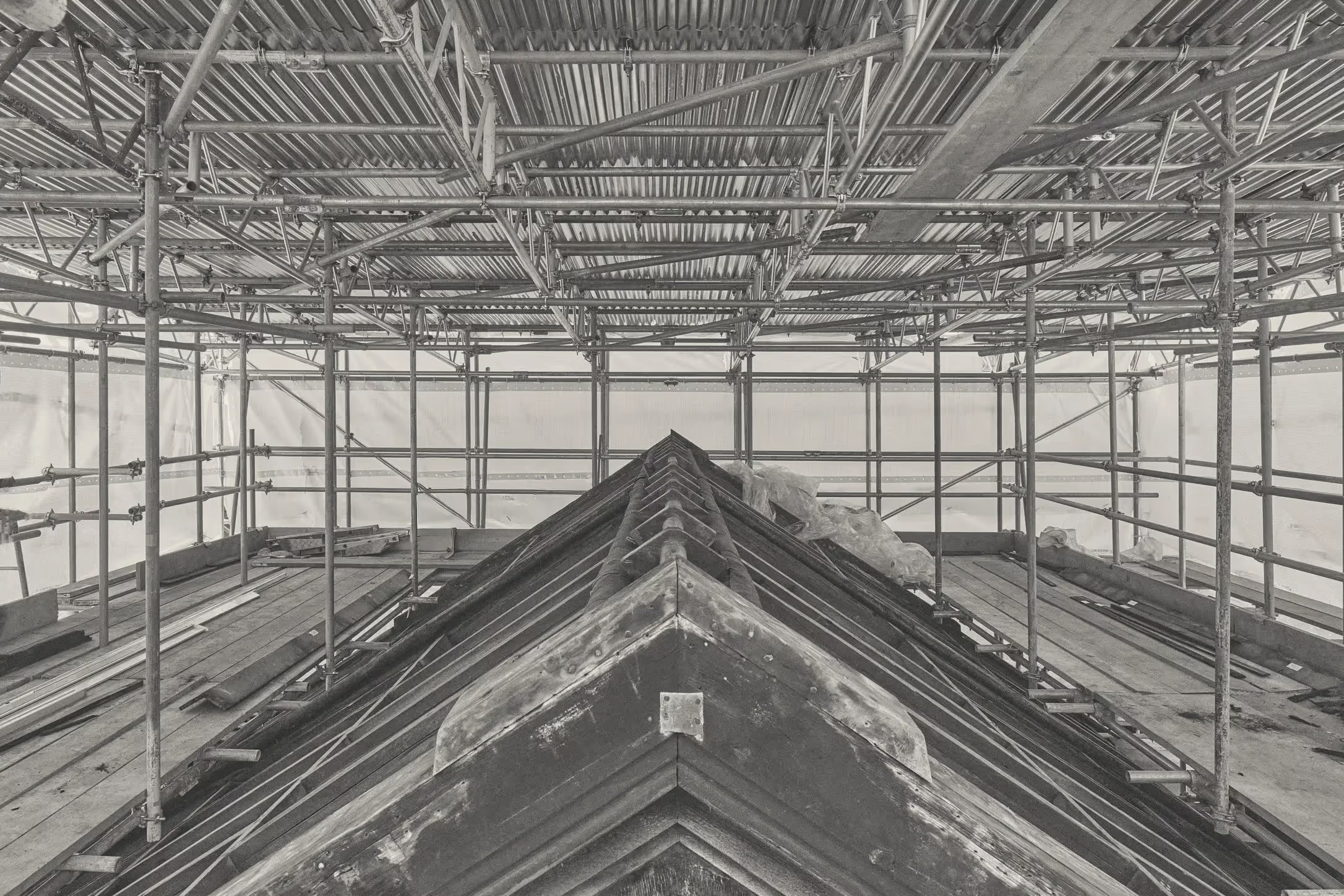
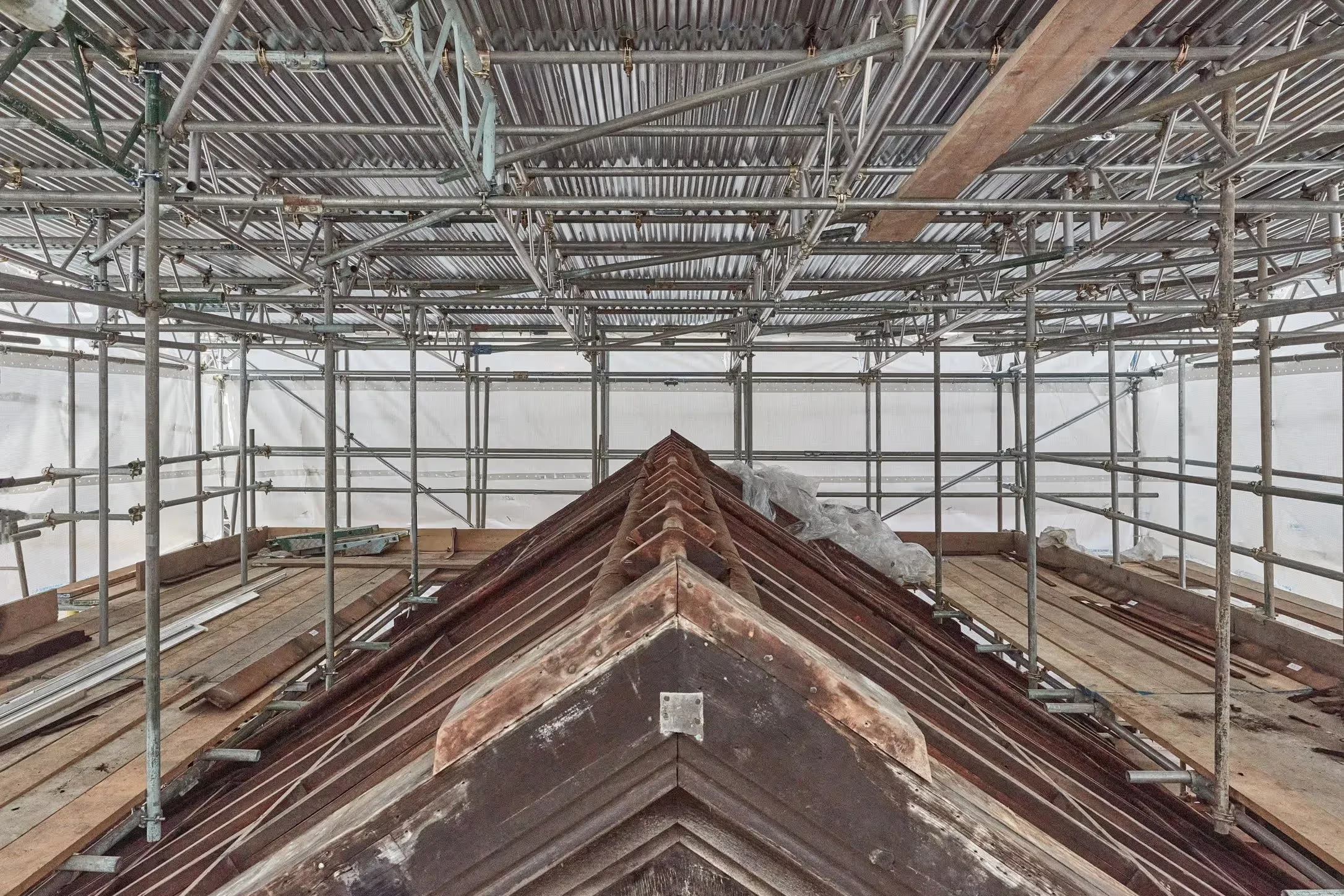
The restoration began over a decade ago to address the slow wear of time and maintain the building's fabric for future generations. Levrant was involved from the outset, with construction commencing in 2007 and completion in 2009. The project was made possible through the determination of the local congregation, who raised £1.8 million from the redevelopment of an adjoining site and further contributions from within the community, ultimately funding a £3 million programme of works. It was the largest synagogue restoration undertaken in the UK.
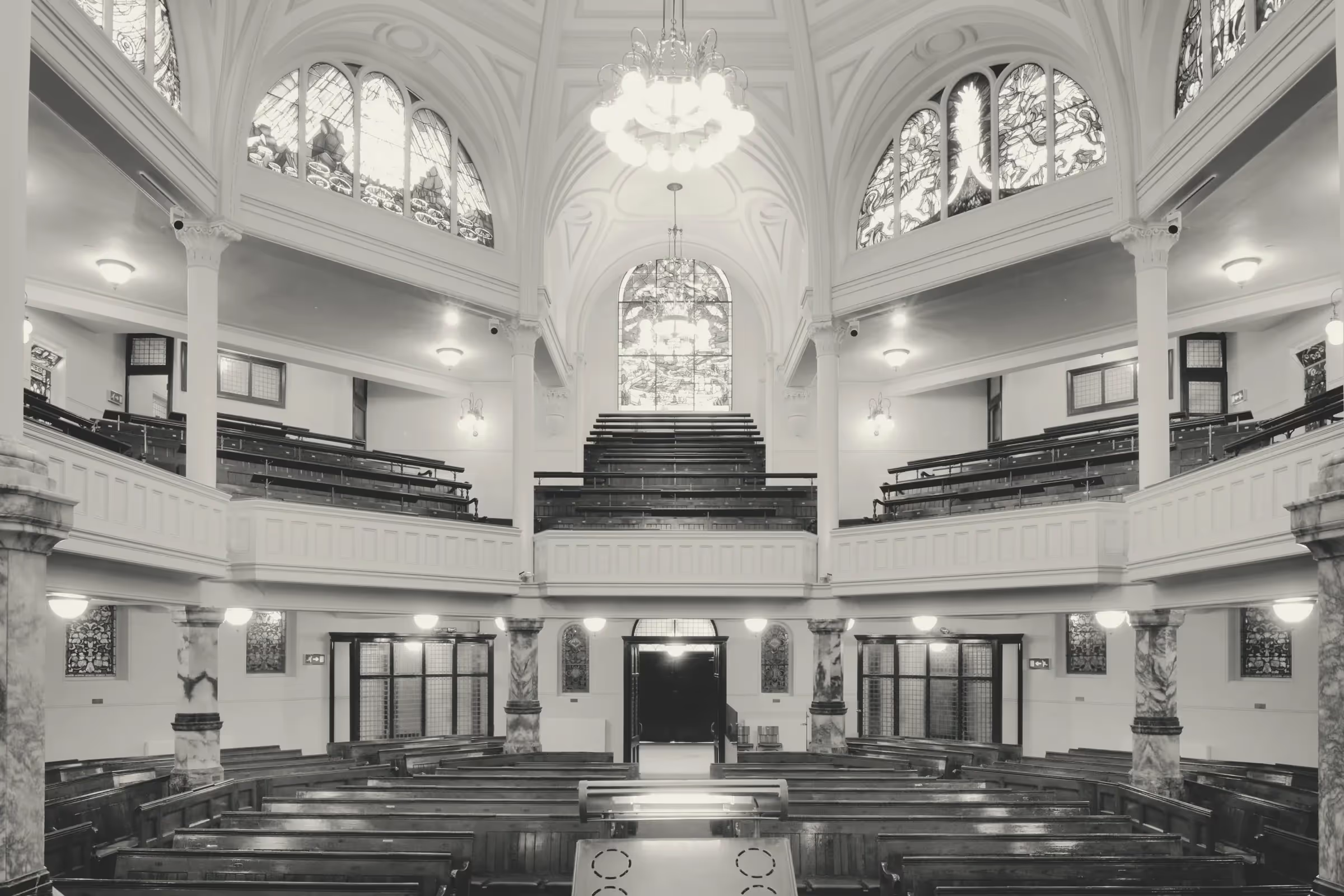
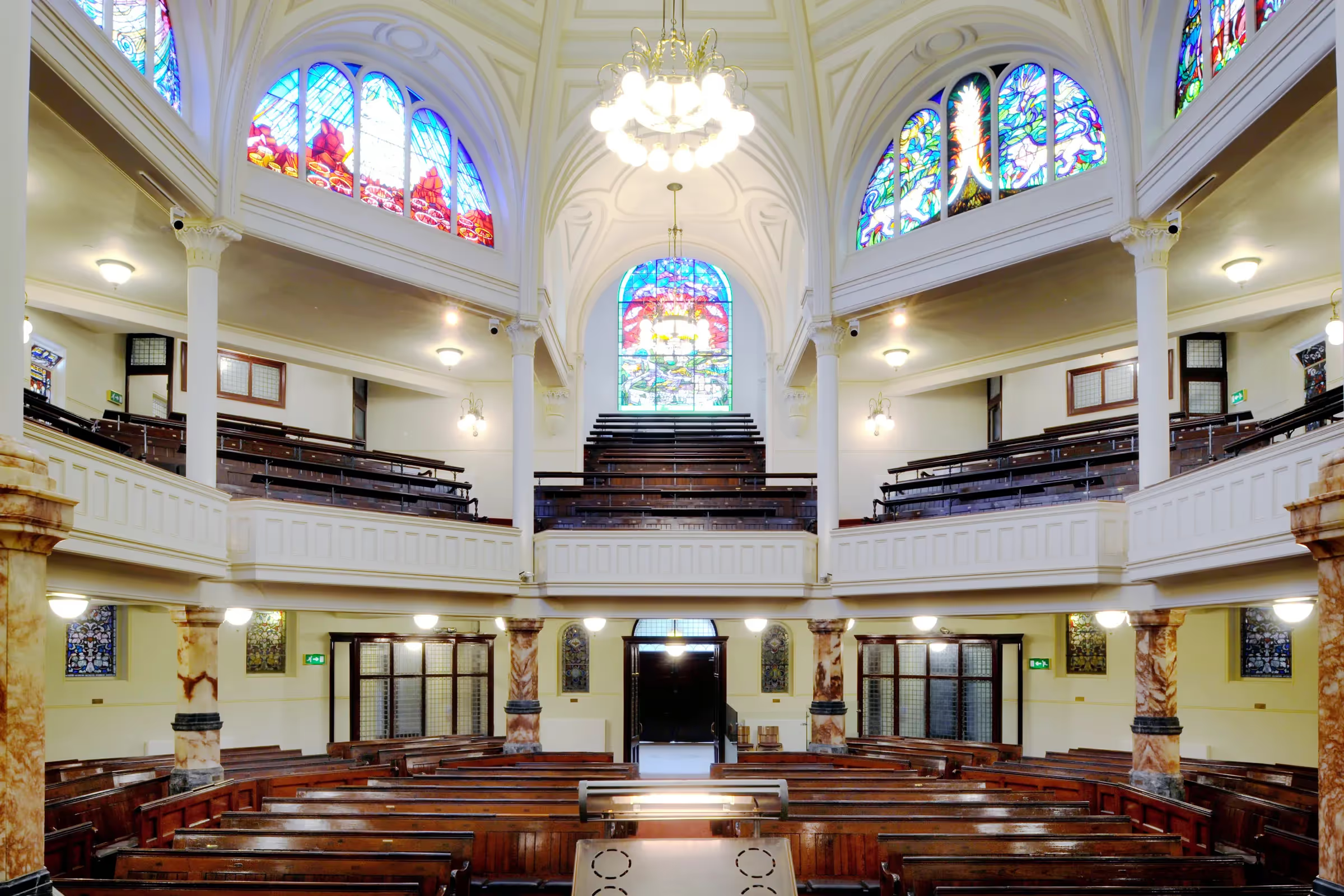
The building's significance lies in both its architectural form and its symbolic presence. The front elevation, with its distinctive tower and flanking wings, remains a familiar landmark in West Hampstead. Internally, the great dome, pendentives, and open volume create a sense of measured grandeur. Much of the original joinery survives, alongside unadorned walls and subtle detailing that reflect the original design's restraint.
Guided by the Society for the Protection of Ancient Buildings' principles, the project followed a philosophy of repair rather than replacement — a process of understanding and responding to the building's history. Detailed research and surveys informed every decision, from analysing mortars and finishes to reusing existing materials. Good slates were retained; parapet walls rebuilt in their own bricks; removed doors and seating repurposed for repairs. This approach ensured that the work remained true to the building's character while addressing modern performance and safety requirements.
Traditional materials and methods were employed throughout. New lighting, designed by Bruce Kirk of Light Perceptions, reinterpreted early twentieth-century fittings, combining historical references with contemporary illumination standards. The restoration of the dome was particularly intricate, involving conservation of fine plasterwork and stained-glass windows — some designed by William Morris & Co. These now glow with renewed clarity, softly lit at night to reveal the Synagogue's distinctive silhouette.
The result is a building once again fit for its purpose: dignified, resilient, and alive to its community. The project's success was recognised by the Royal Institution of Chartered Surveyors, which awarded the Hampstead Synagogue its first national prize for the conservation and restoration of a synagogue — a quiet acknowledgement of a collaborative effort to let a remarkable building continue its conversation with time.